 English
 Français
 Deutsch
 Italiano
 Español
 India
India
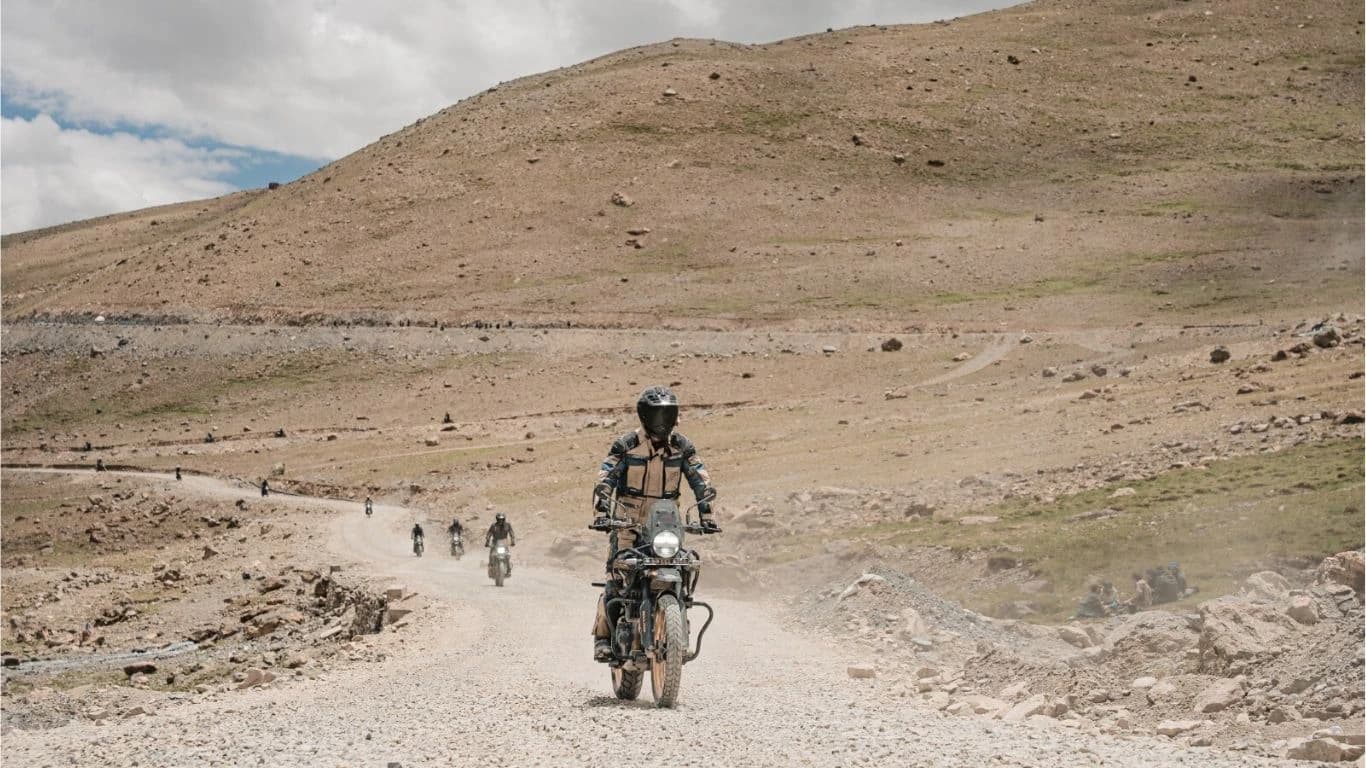
11-Day Himalayan Motorcycle Tour: Zanskar and Ladakh
- 11 days / 10 nights
- ± 1,480 km
- 10 riders
Starting at $1,788 per person
See the tour
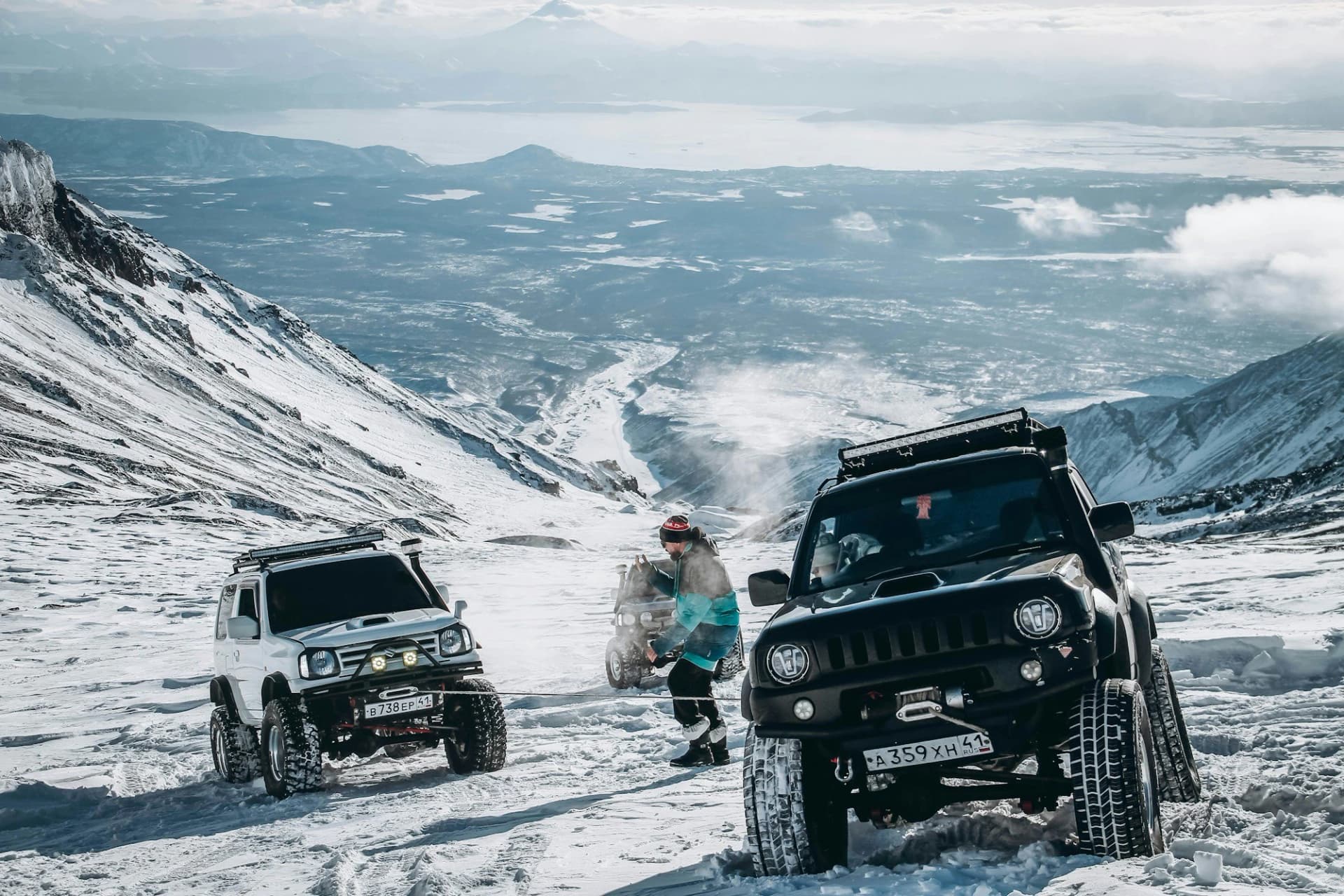
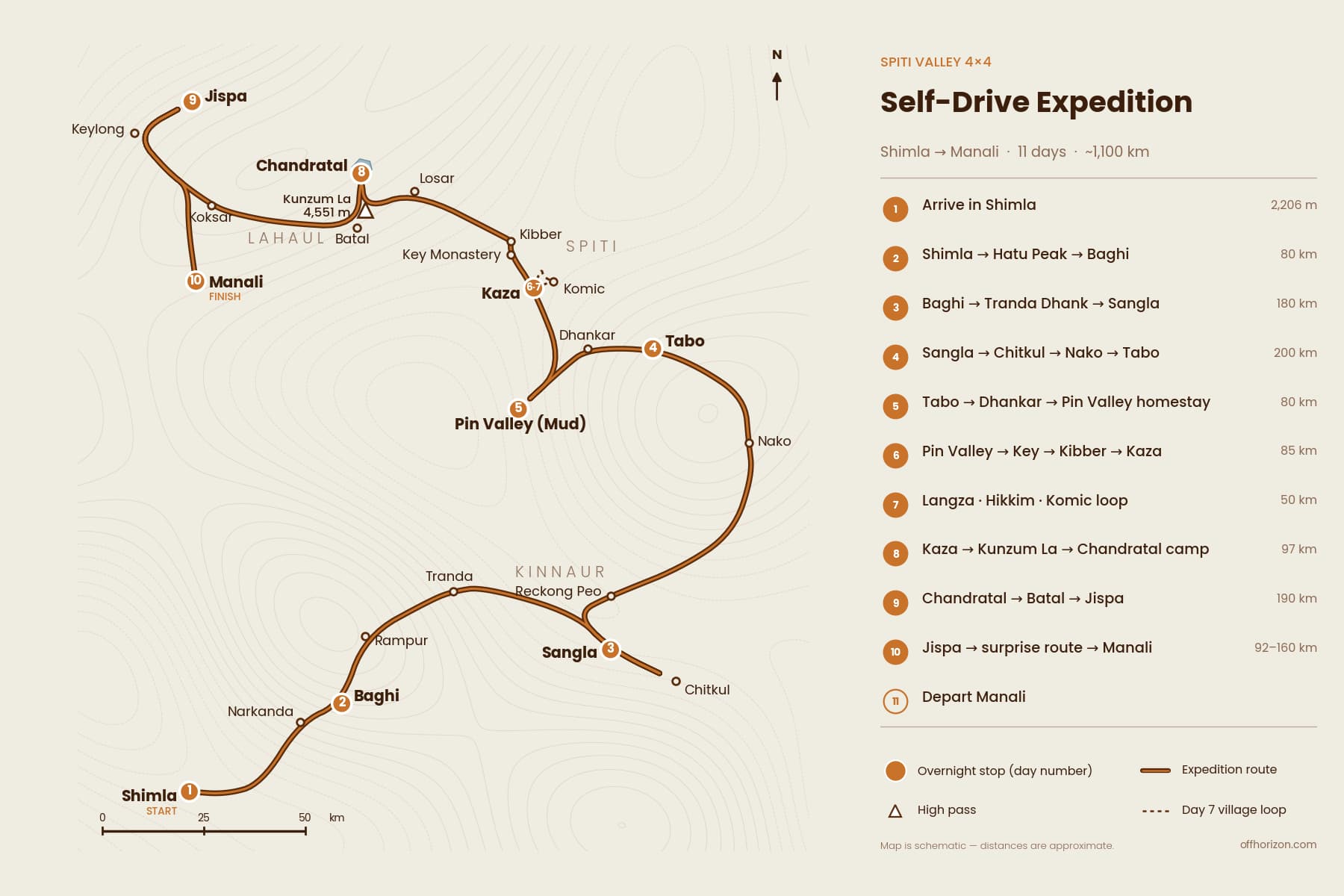
Drive your own 4×4 from Shimla to Manali in an 11-day guided convoy — Kinnaur, Tabo, Pin Valley, Kaza, Kunzum La and a night camped near Chandratal.
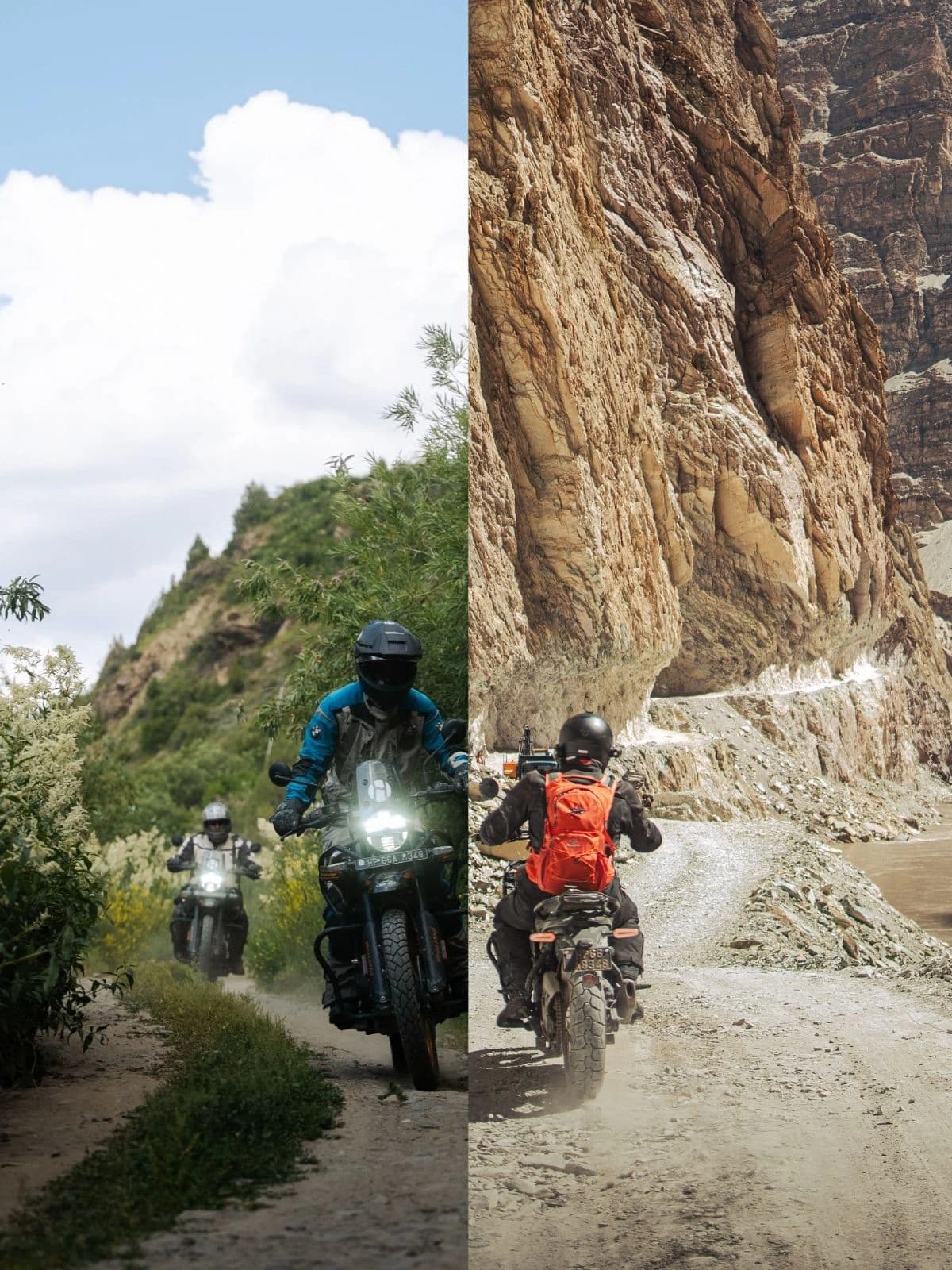
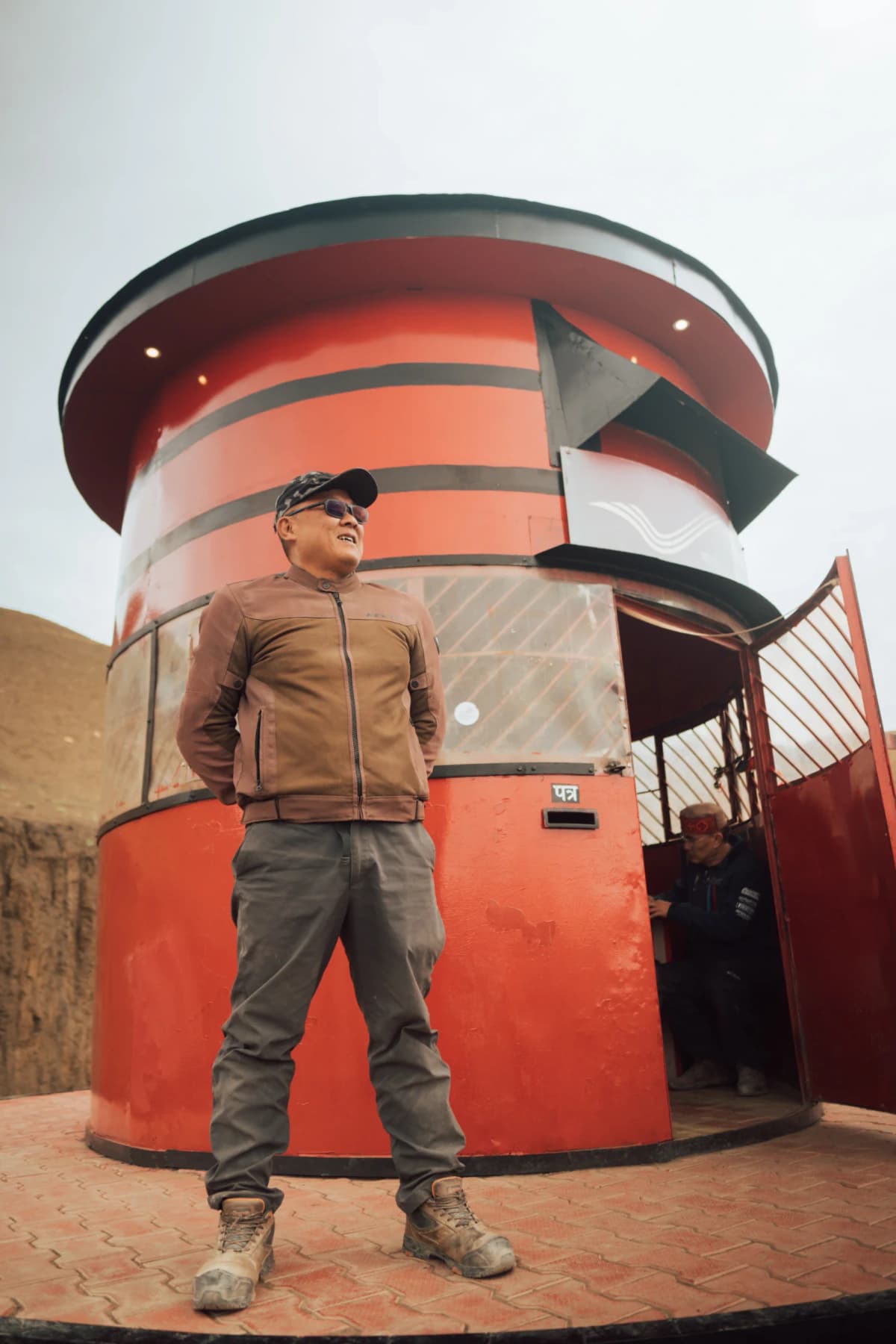
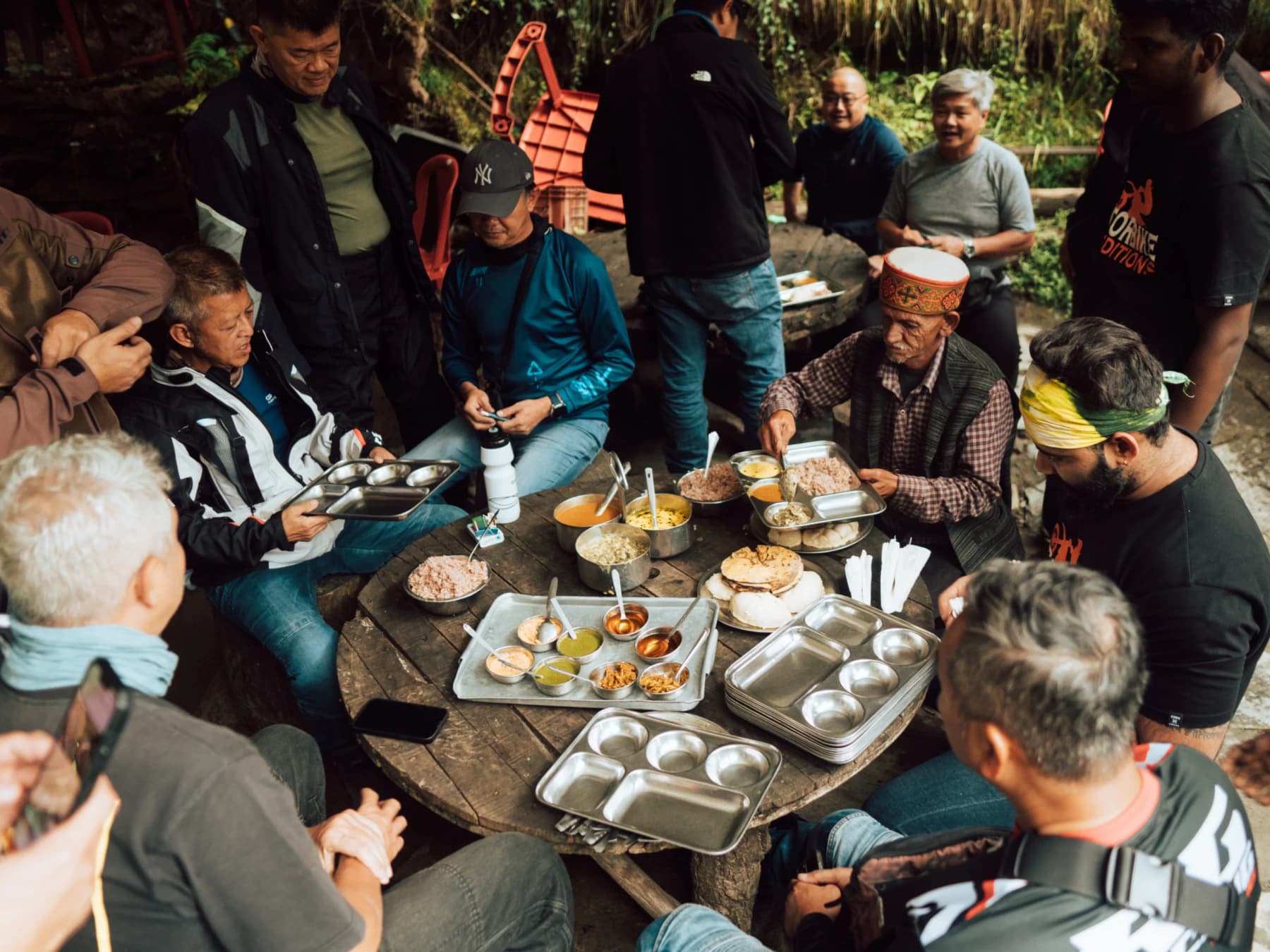
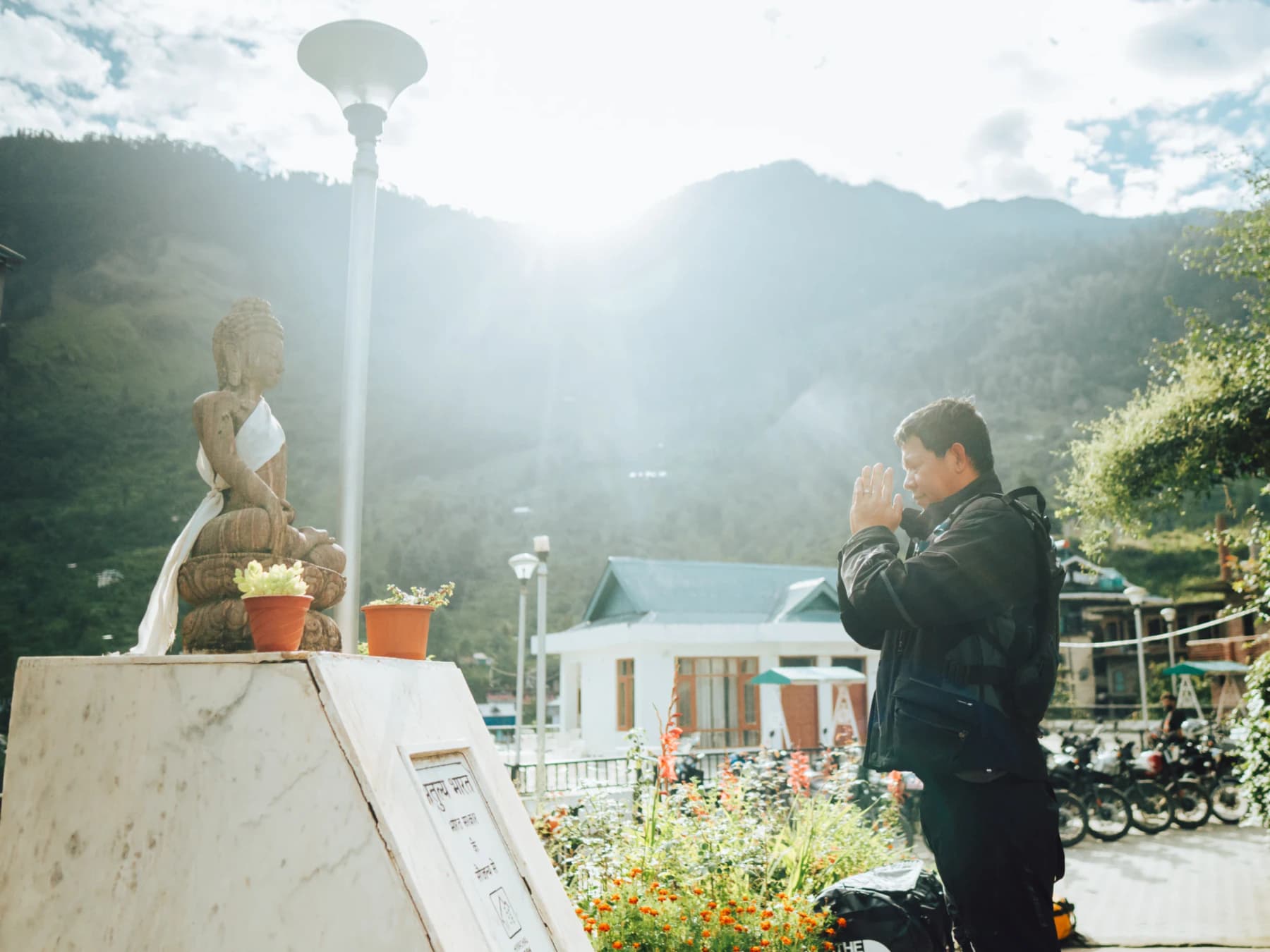
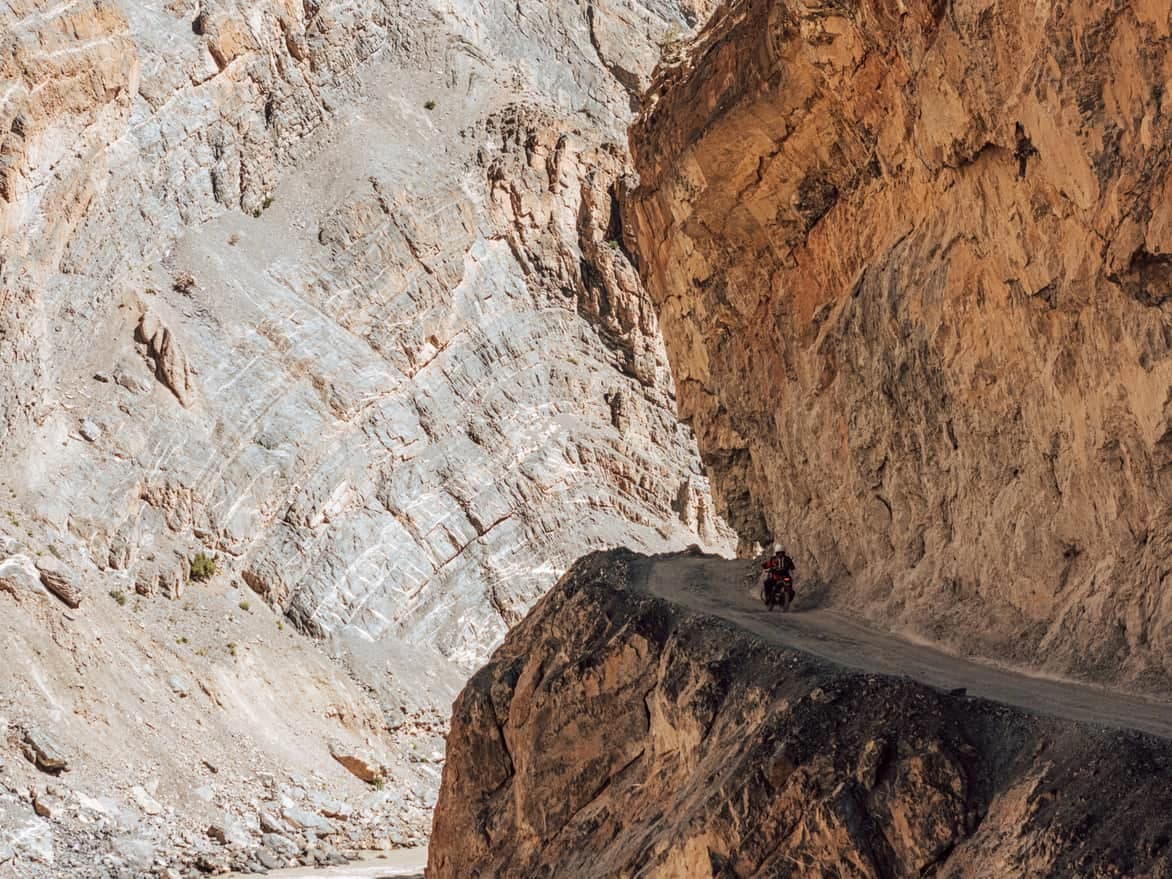
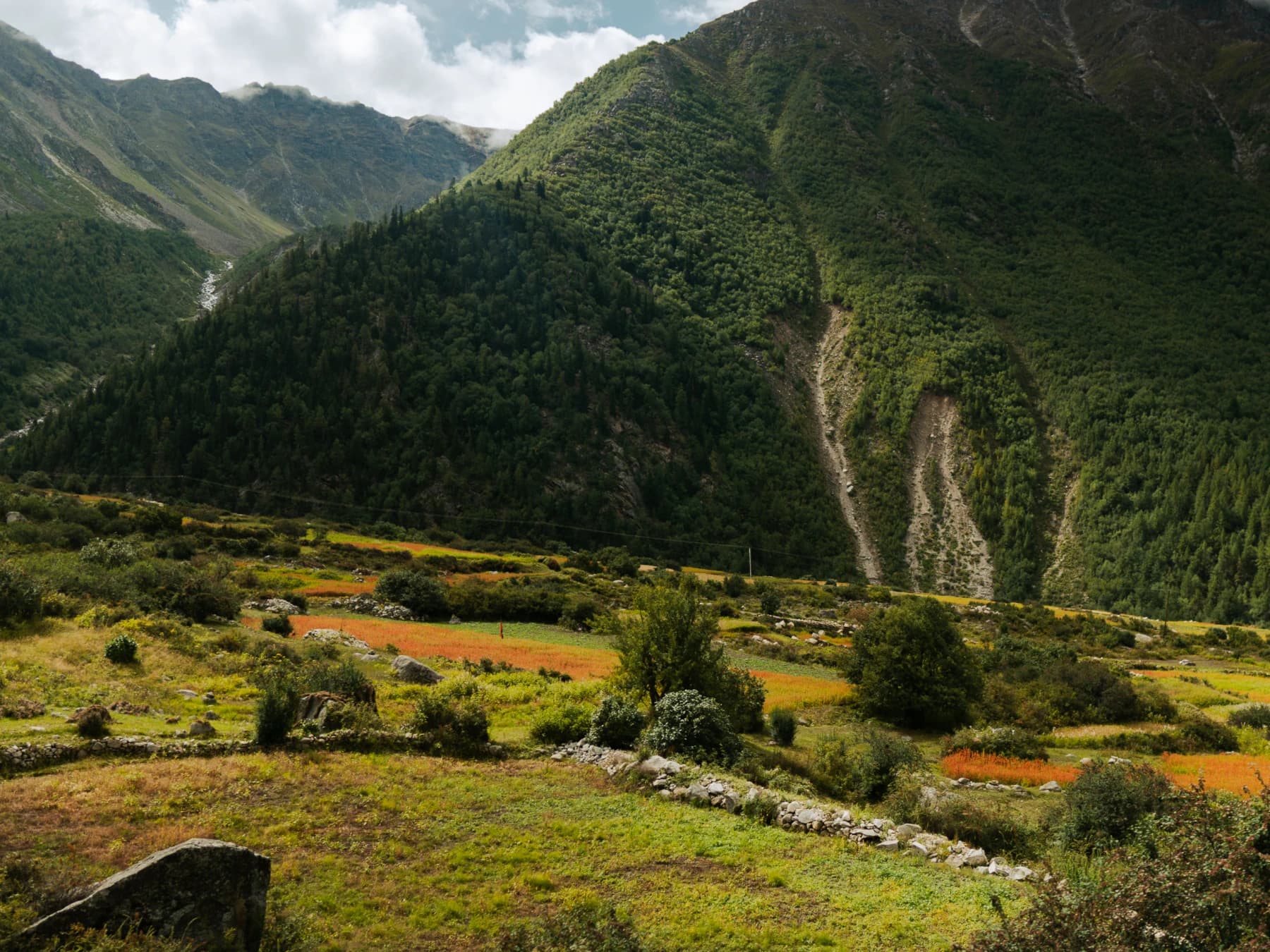
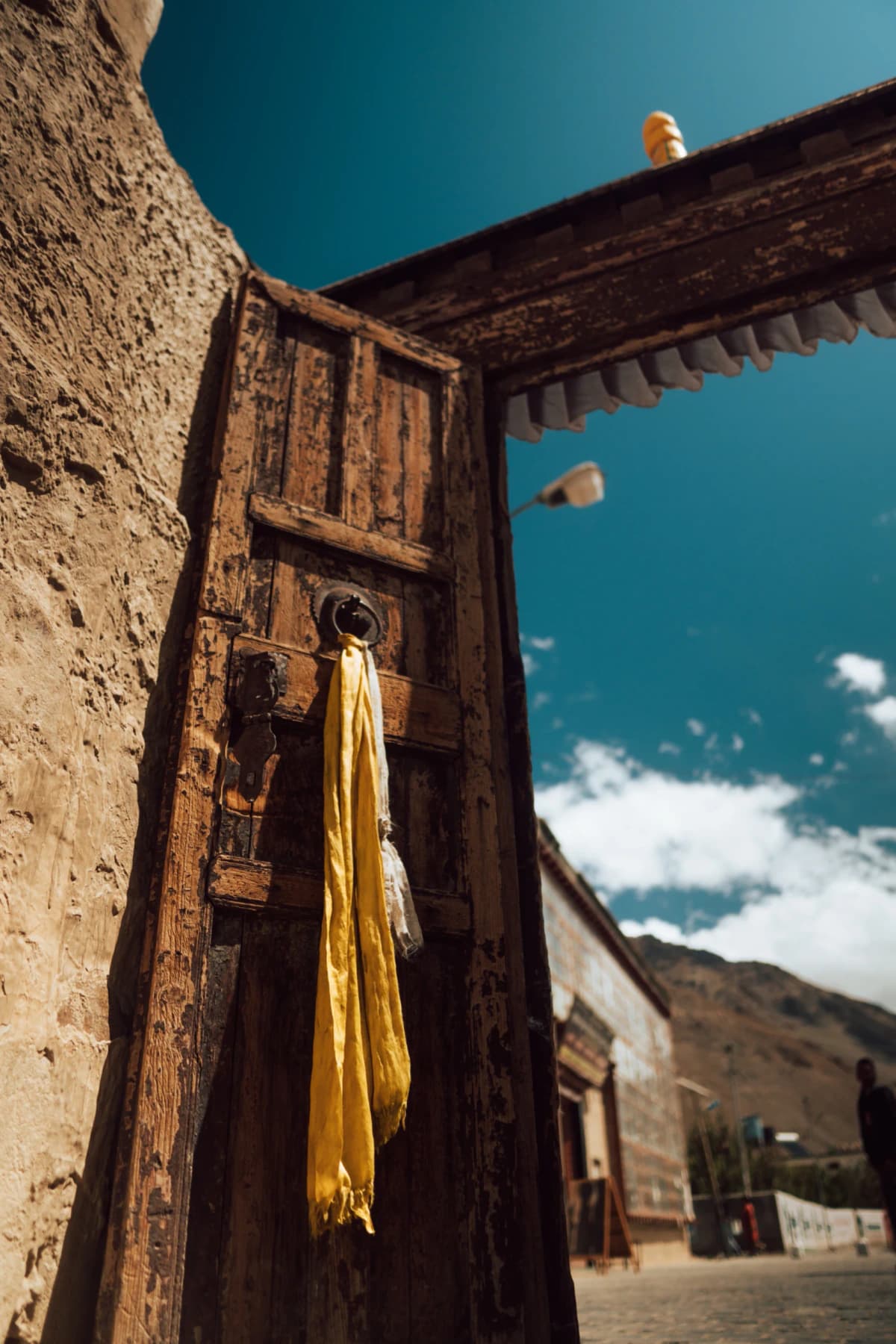
Drive your own 4×4 across the Indian Himalaya on an 11-day guided self-drive expedition from Shimla to Manali. The route climbs gradually through Kinnaur and the Baspa Valley to Chitkul, India's last village, then follows the Sutlej into Spiti — Tabo Monastery, founded 996 CE; a family homestay in the snow-leopard country of the Pin Valley; and the high villages of Langza, Hikkim and Komic, home of the world's highest post office. Cross Kunzum La at 4,551 m and sleep …
Price
$841per person
Prices are set in Indian rupees and converted for display, so the figure you pay depends on the rate on the day. Flights are not included. Offhorizon Adventures may revise these prices without notice.
11 days
 Day 1Arrival in ShimlaMore details
 Day 2Shimla to BaghiMore details
 Day 3Baghi to SanglaMore details
 Day 4Sangla to Tabo, via ChitkulMore details
 Day 5Tabo to the Pin ValleyMore details
 Day 6Pin Valley to KazaMore details
 Day 7Kaza and the high villagesMore details
 Day 8Kaza to Chandratal, over Kunzum LaMore details
 Day 9Chandratal to JispaMore details
 Day 10Jispa to Manali — and the surpriseMore details
 Day 11Departure from ManaliMore details
Ten nights on double sharing across hotels, a Sangla glamping resort, a Pin Valley family homestay and a Swiss camp near Chandratal, with breakfast and dinner provided throughout. Please check the day-by-day tour program for full meal details.
Road conditions, water-crossing timings, which dhaba is open at Batal, and what to do when the mountain changes the plan.
The whole convoy hears every call: pothole, oncoming truck, photo stop, regroup.
An expedition vehicle ahead of you reading the road, and one behind so that no car in the convoy is ever last and alone. This is the difference between a self-drive expedition and a rental with a route map.
Each driving day starts with five minutes on the road ahead: where it breaks, where the fuel is, where we meet if the convoy splits.
The lead car carries a first-aid kit and oxygen, and the route is built to climb gradually so that nobody sleeps high before their body is ready for it. Kaza has a government hospital if it is ever needed.
Indian nationals need no permit for this route. Foreign nationals need an Inner Line Permit for the Kinnaur–Spiti border stretch between Reckong Peo and Sumdo, and we arrange it — send us a copy of your passport and visa once you have booked.
You choose what you drive, and a Jimny and a Fortuner drink very differently — averaging fuel across the group would be unfair to half of it. Budget for roughly 1,100 km on the route, plus your drives to Shimla and home from Manali.
Strongly recommended, and it must cover travel above 3,000 metres. Most standard policies need this added.
Medical evacuation or rescue, if it ever comes to that. This is what the insurance above is for
Extra nights caused by landslides, weather or road closures. We build slack into the plan, but the Himalaya keeps its own schedule.
Room service, souvenirs, tips, and anything not listed above.
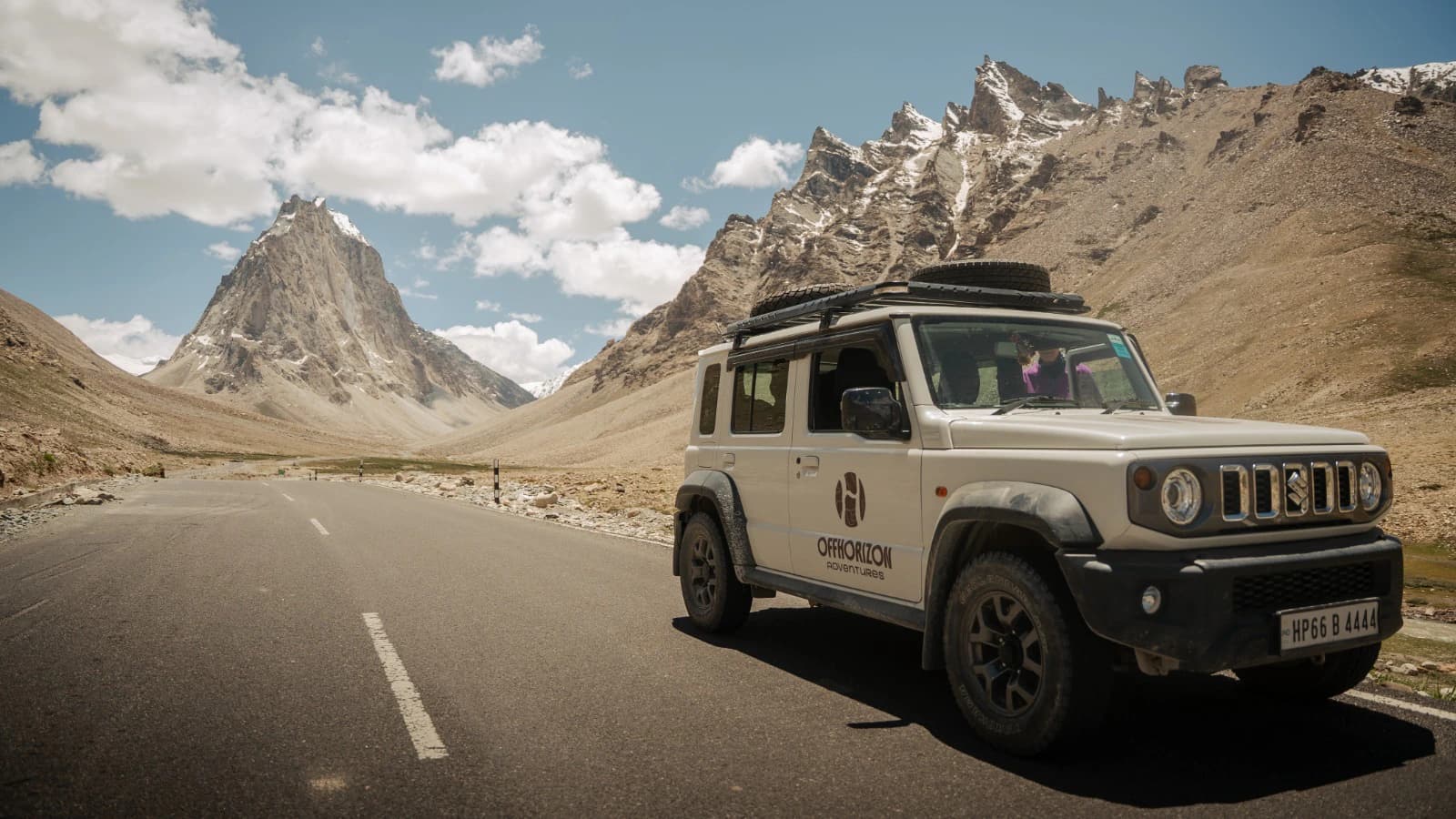
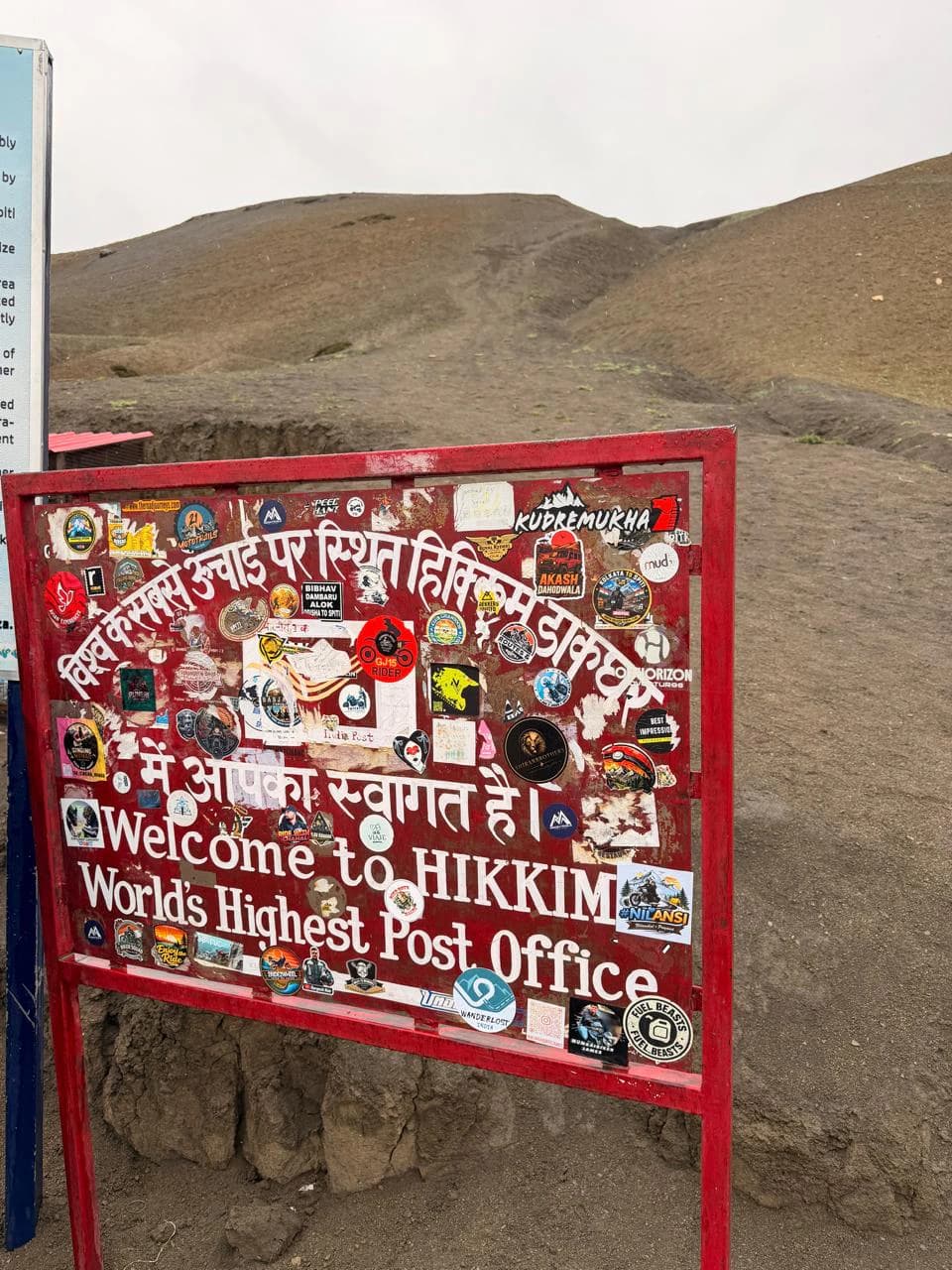
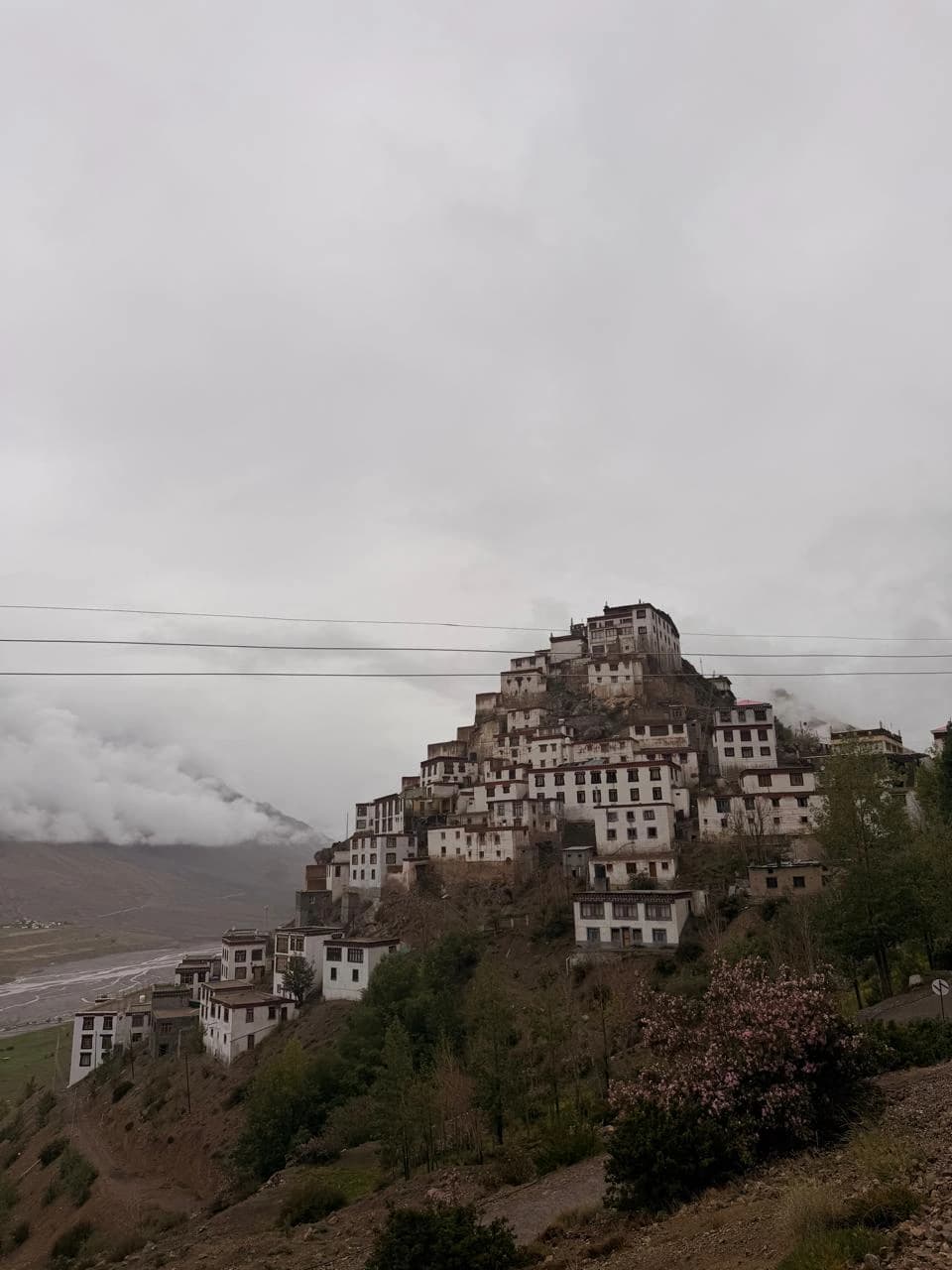
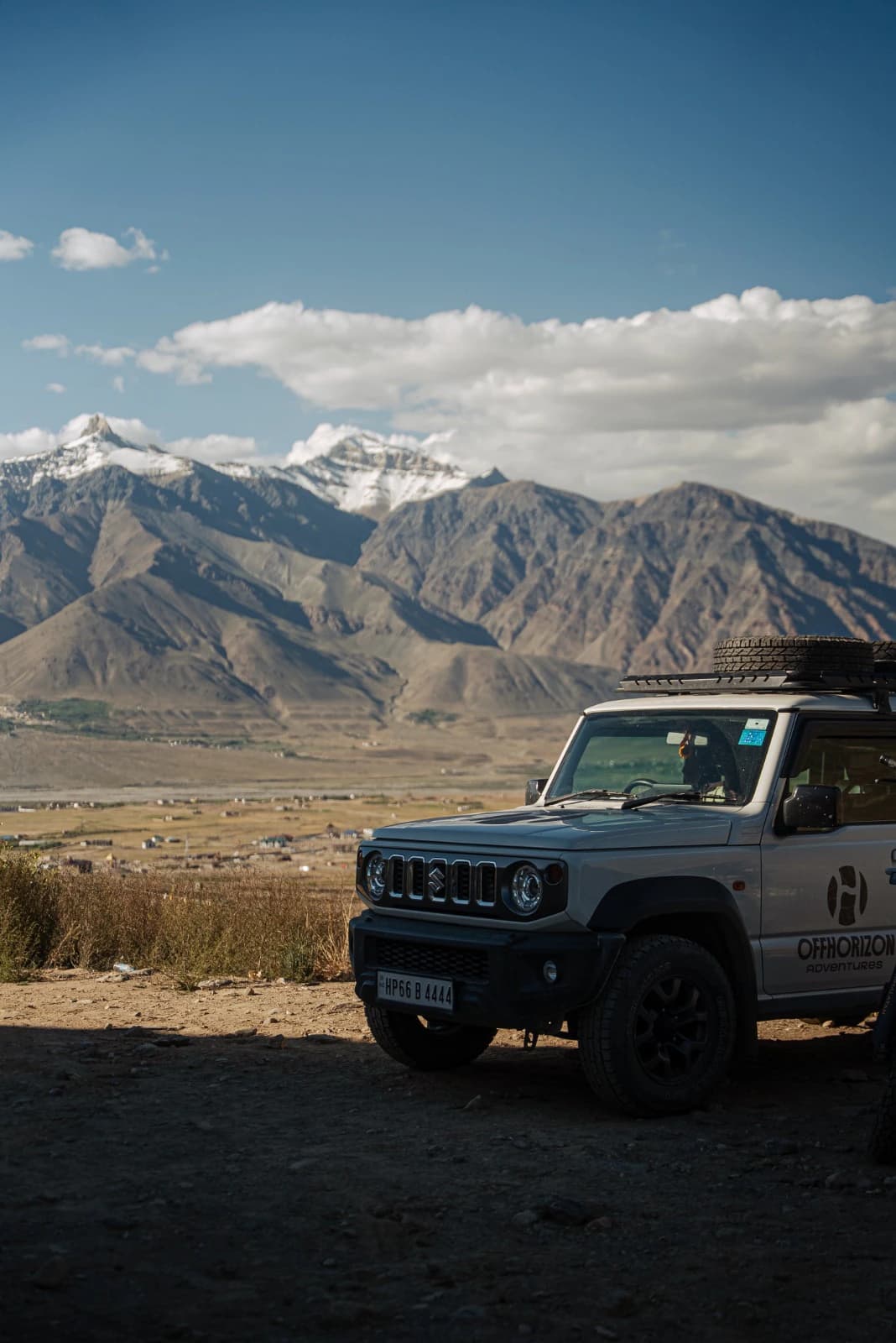
Roughly three quarters sealed road and one quarter gravel, rock and broken surface. Kinnaur is tarmac with landslide patches, and the road to Kaza is better than its reputation. The rough truth lives between Kunzum La and Koksar — the Chandratal trail and the Batal stretch are rock, dust and two or three water crossings that rise with the afternoon snowmelt. That is why we cross them in the morning, and why you brought a 4×4.
Four-wheel drive or an SUV with proper ground clearance — the Batal stretch decides this, not us. Get a full service before Shimla: brakes, coolant, tyres with real tread, and a spare you have actually checked. The last reliable fuel before Spiti is at Reckong Peo; after that the only pump is Kaza, so the convoy tops up whether tanks need it or not. A lead car picks every line ahead of you, and your walkie-talkie hears the road before you see it.
A monastery founded in 996 CE at Tabo, and Dhankar balanced above the meeting of two rivers. A postcard posted from the world's highest post office at Hikkim, and homemade pizza at Komic, 4,587 metres. An evening in a family kitchen in the Pin Valley — snow leopard country. A walk to Chandratal when the day-trippers have gone. And every night, a bonfire where each driver tells the day's story slightly bigger than it happened.
Hotels in the towns, a glamping resort under the peaks at Sangla, one night in a family homestay in the Pin Valley, and a Swiss camp near Chandratal at about 4,250 metres — beds and hot food, a short walk from the lake, because camping on the shore is banned and should be. Everything is double sharing. The high-village nights are simple and warm rather than plush; the homestay is the night most drivers name as their favourite.
With the right preparation, yes. The dangers on the Spiti circuit are specific and manageable: water crossings that swell with afternoon snowmelt, the broken Batal–Gramphu stretch, shooting-stone zones in Kinnaur, and altitude. Our convoy addresses each one directly — a lead car reads the road first, crossings are timed for the morning, every vehicle has a radio, and the route climbs gradually so altitude never ambushes you. Driving Spiti alone with no support is where most of the horror stories come from.
You need four-wheel drive or an SUV with good ground clearance — the Chandratal trail and the Batal stretch are genuinely rough, with rocks and water crossings. A city hatchback cannot do this route. Tell us what you drive when you enquire and we will give you an honest answer about whether it is suitable.
Yes — this is exactly what the convoy format is for. The lead car picks the lines through every difficult section and talks the group through on the radio. You need solid ordinary driving experience and calm nerves, not off-road skills. By Day 9 you will have both.
Acclimatisation. Entering from Manali crosses Kunzum La almost immediately — a fast altitude gain that gives many people headaches, nausea and worse. From Shimla, the route climbs gradually for a full week before you sleep above 4,000 metres, so your body adapts as you drive. Same circuit, far better odds of enjoying it.
This matters more than almost anything else you will read. The last reliable fuel on the way up is in the Reckong Peo / Powari area of Kinnaur. After that, the only pump in the Spiti Valley is at Kaza. Between Kaza and the Lahaul side there is nothing — you refuel at Kaza whether you need to or not. The convoy briefings cover fuel stops every morning, and the group never passes a pump without topping up.
Altitude affects drivers just as it affects trekkers — the car climbs faster than your body adapts. Our route is the main defence: gradual gains, two nights at Kaza, and only one night above 4,000 m. Drink water constantly, go easy on alcohol, and tell the guide immediately about any headache that keeps building. The convoy can always lose altitude quickly — that is the cure.
An off-road route climbing to roughly 5,000 metres, run only when road, weather and the group allow. We keep the destination off the itinerary deliberately — it is the most talked-about day of the expedition precisely because nobody sees it coming. No, we will not tell you at breakfast either.
Patchy, and plan for none. Kaza has usable coverage (postpaid SIMs work best in Himachal's tribal districts); most of the rest of the valley, the Pin, and Chandratal have little or nothing. The convoy's radios keep the group connected; tell people at home to expect quiet days.
No — camping on the lakeshore is banned to protect the wetland, and every operator claiming lakeside camping is either breaking the rules or bending the truth. The authorised camps, ours included, sit a short distance from the lake at around 4,250 metres. The lake is an easy walk away, best in the late afternoon.
A deliberate mix: hotels in the towns, a glamping resort in Sangla, a Swiss camp near Chandratal — and one night in a family homestay in the Pin Valley, which is basic, warm, and the night most drivers name as their favourite. Everything is double sharing.
The circuit runs while Kunzum La is open — roughly June to October. June has snow walls and high water crossings; July–August is warmest, with monsoon risk on the Kinnaur approach; September–October is the sweet spot — stable weather, low water, clear light and fewer vehicles.
A valid full driving licence, your vehicle's registration and insurance papers, and PUC. Carry originals. Foreign nationals driving in India need their home licence plus an International Driving Permit — talk to us early, because self-drive logistics for foreign visitors need extra planning.
No. The expedition price is per person and does not include a vehicle — most drivers bring their own 4×4. What it does include is everything around the driving: ten nights of accommodation with breakfast and dinner, the lead car and backup car, the expedition guide, a walkie-talkie in every vehicle, permits, first aid and oxygen. If you need a car, a Jimny or Thar from our fleet can be hired by the day.
The same per-person price. Everyone on the expedition, driver or passenger, has a bed, breakfast and dinner, and the convoy's support, so the price is the same whoever is behind the wheel. Two people sharing one 4×4 pay for two places, and the car is theirs to share.
Indian nationals need no permit on this route. Foreign nationals need an Inner Line Permit for the Kinnaur–Spiti border stretch between Reckong Peo and Sumdo, and we arrange it — send us a copy of your passport and Indian visa once you have booked, and carry the originals on the expedition.
Ask about a date on the list, or tell us when you can travel and we will see what fits.
Riders share their journeys on Google and Tripadvisor. Read what they say about the routes, the landscapes and the crew who kept them moving.
Had a fantastic 15-day Ladakh tour which was extended down to Dharmashala, the extra days were a great addition. Going into this with no prior experience of Off Horizon or my fellow adventurers I can only say that it exceeded all my expectations. Bikes were great, lodging and food was as good as could be expected in the locations we visited, and the team was tirelessly friendly and helpful, with a genuine passion for sharing their country and culture.
I have just completed the 11 day Ladakh tour with Offhorizon Adventures. Right from the initial contact the team there were extremely helpful and nothing was to much trouble for them to help with, from flight advise from Ireland, transportation, extra accommodation and even possible medical issues like altitude sickness that might arise. If I thought they were good at this stage ? I was blown away by their level of professionalism and hospitality during my trip. Everyone on the Off Horizon Team made this a trip of a lifetime for me. The bikes were well maintained and in excellent condition, any little tweaks, personal preferences or changes to their set were undertaken to suit all riders. Once on the road and starting our adventure, you always felt safe, their advise and attention to detail made the trip truly unforgettable. My exsperience of off road was “0” but with their help, I got through it and enjoyed every minute. We travelled through some of the most beautiful scenery imaginable with every day bringing something new. The accomadation throughout was just perfect with a mix of first class hotels to small family units in the more isolated locations- considering the Irish pallet and diet the food was great and again the team explained every offering. I’m not going to single out any particular Off Horizon team member because each one of them gave 100% of their professionalism, time, hospitality and kindness to every one on this trip- they limit their numbers, which is great because you get that extra attention and help- I could write pages on what I saw and did during the trip but this is something you are going to have to exsperience yourself. Huge thank you to all the other guys on the trip too and a pleasure to meet you all- I would have no hesitation in recommending Off Horizon if you are planning this trip- thank you so much for a truly fantastic adventure 🇮🇪🇮🇳
Very well organised tour with expert riders, support and backup vehicle. The Offhorizon team new all the routes. Very committed team who took very good care of all of us riding team members, with personal attention. The team left no stone unturned to ensure our entire ride across 2150 kms was exciting, very safe without a single incident. Well paced rides with key halts, refueling stops, zero breakdowns and planned to perfection. I wish this team great succes in the future.
Don't watch or think just pick the phone and book your tour this will be the best place you can have. .. Best Guides, Best Service, Best Bikes.
Great experience! Caring and skilled team, quality bikes, engaging itinerary, good selection of accommodations, endless supply of food and drinks, cultural experiences and a dedicated video/photographer to capture all that. Highly recommended. PS: Surya created an extended 15 day Ladakh and Himachal tour (the original was 11 days) in response to our request. It turned out be much more enjoyable.
Huge thanks to the entire Offhorizon Adventures team for the amazing organization of our tour! We rode an incredible route from Manali through the Zanskar Valley and Kargil all the way to Leh—it was the adventure of a lifetime. I’d like to specifically highlight the team's professional approach: * Bikes and support: The motorcycles were in excellent mechanical condition, fully prepped for high-altitude riding and off-road terrain. You feel safe throughout the entire journey. * Route and logistics: Everything was well-planned, from the initial briefing to stops, accommodation, and meals. The guides know the area perfectly, maintain a comfortable riding pace, and allow time to soak in the fantastic Himalayan views. * Atmosphere: The team is incredibly warm, responsive, and open. They are ready to help, offer advice, and handle any logistical issue at a moment's notice. If you are planning a high-altitude motorcycle tour in Ladakh or Zanskar, I definitely recommend Offhorizon Adventures.
To everyone who has ridden with us: thank you. Your stories are the reason we keep planning the next one.
India
Starting at $1,788 per person
See the tourIndia
Starting at $683 per person
See the tourIndia
Starting at $1,262 per person
See the tour