 English
 Français
 Deutsch
 Italiano
 Español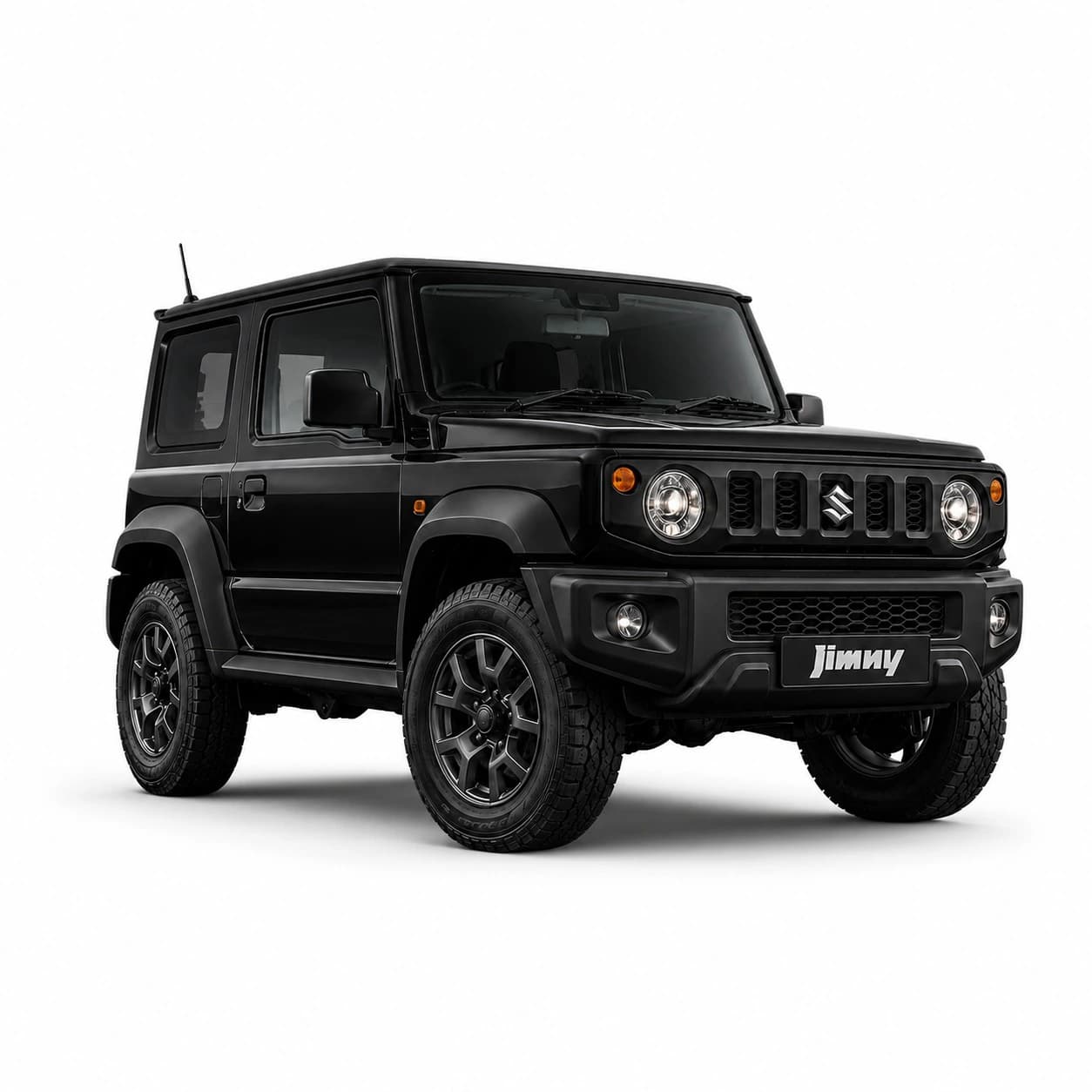
JIMNY 4X4 (AUTOMATIC)
4 seats
$52.00a day
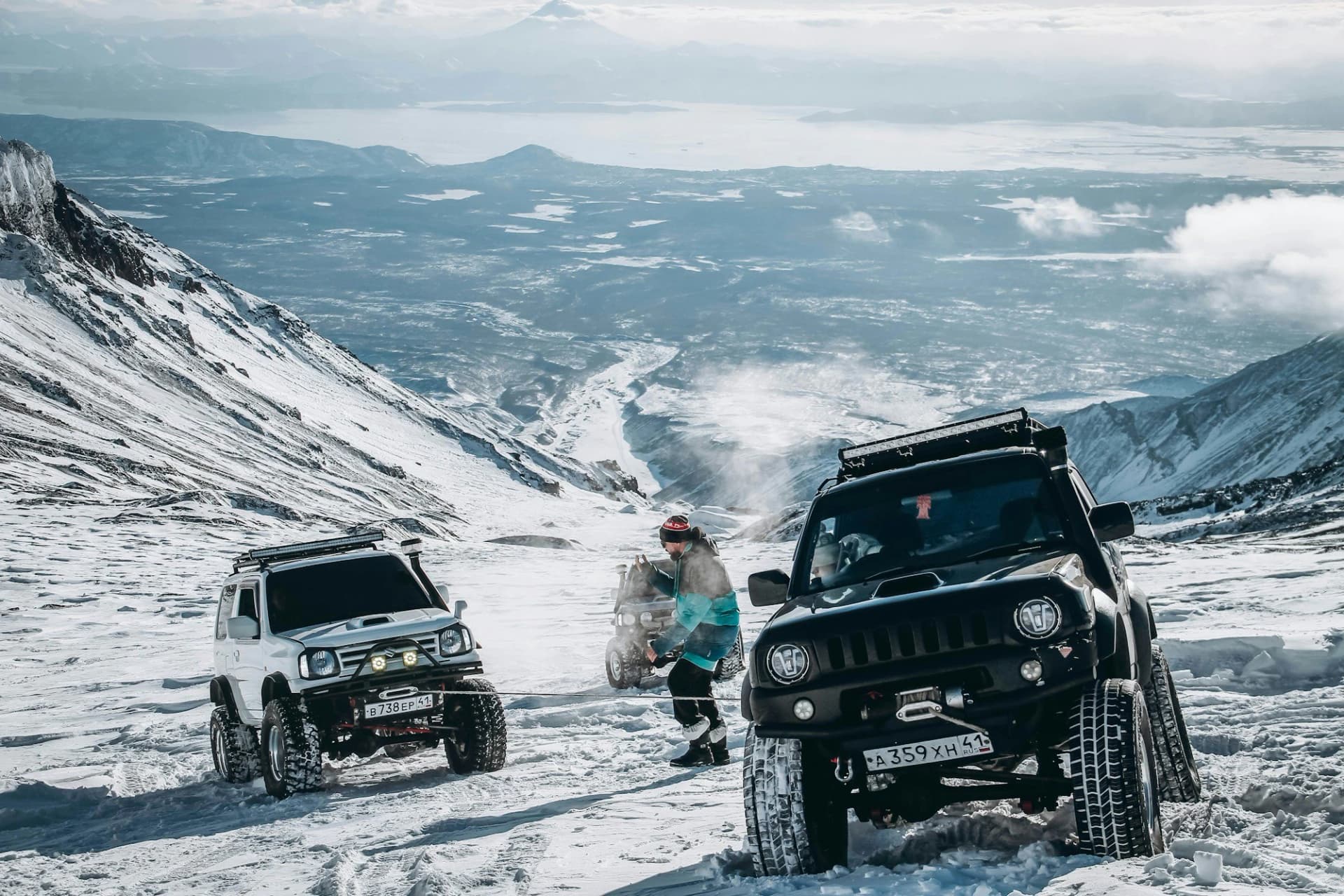
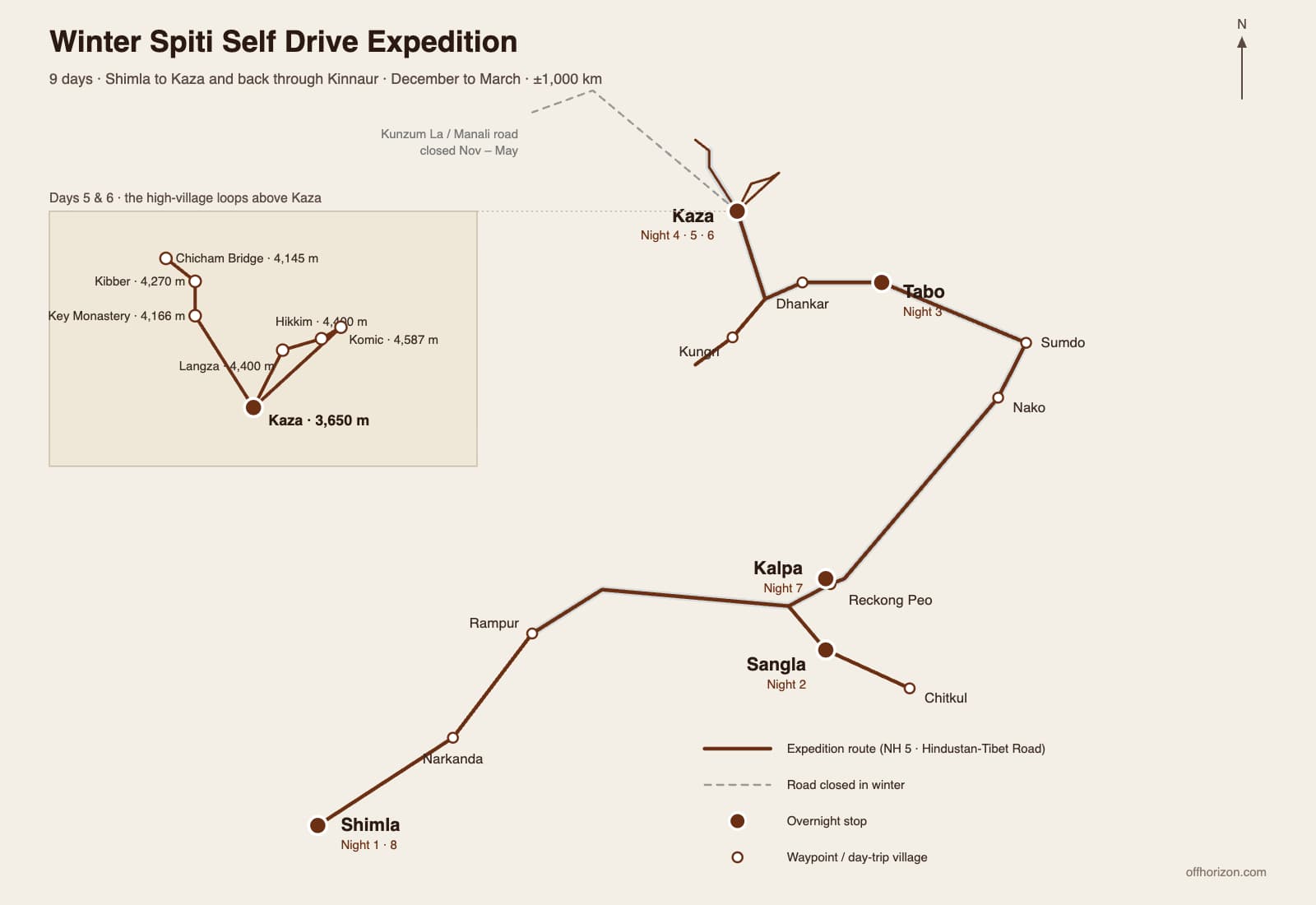
Nine days behind the wheel of your own 4×4, from Shimla through Kinnaur into a frozen Spiti Valley — Sangla, Tabo, Pin Valley, Kaza, Chicham Bridge, Hikkim and Komic in deep snow. Max 10 cars, with lead car, backup car and a guide who drives this road every winter.
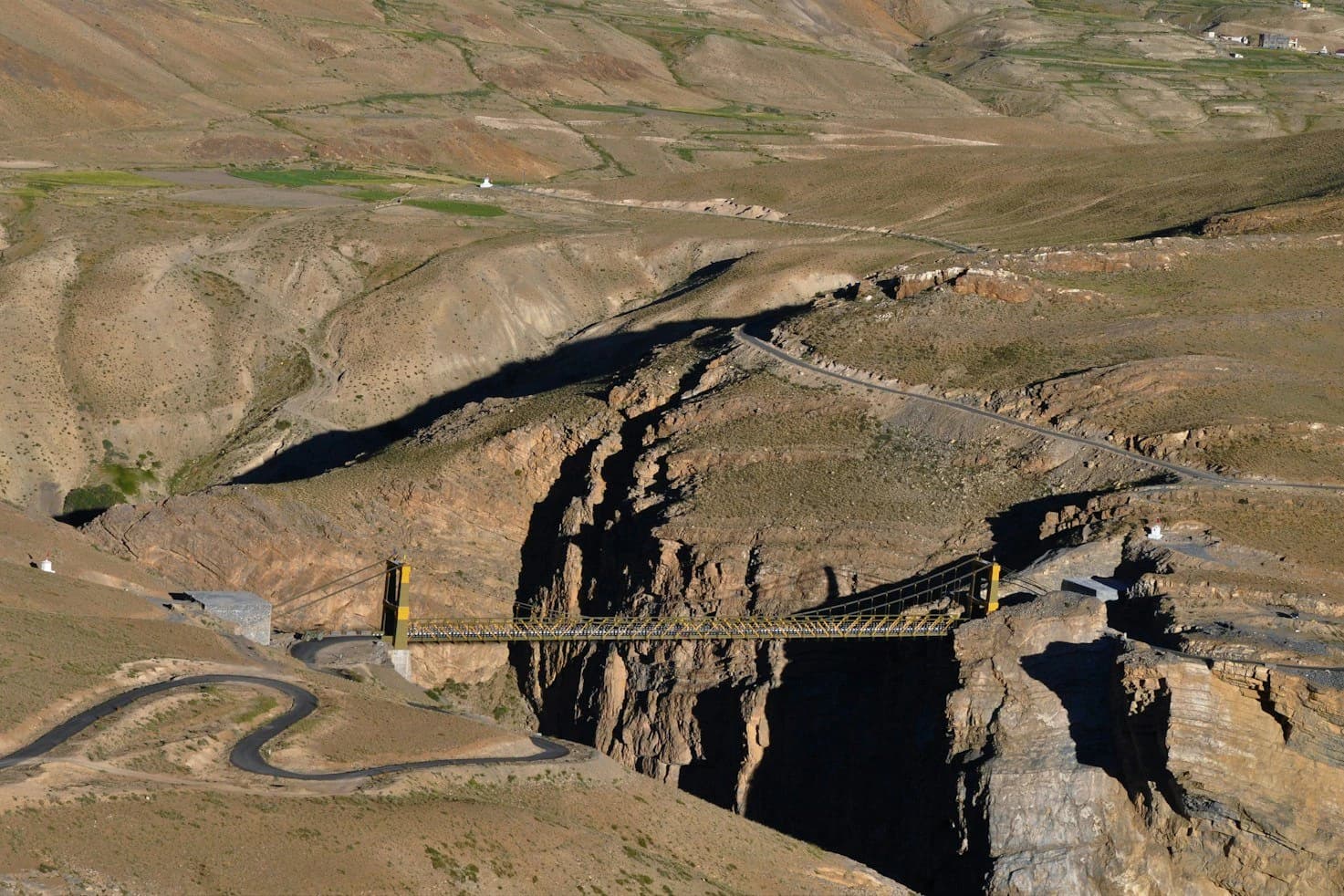
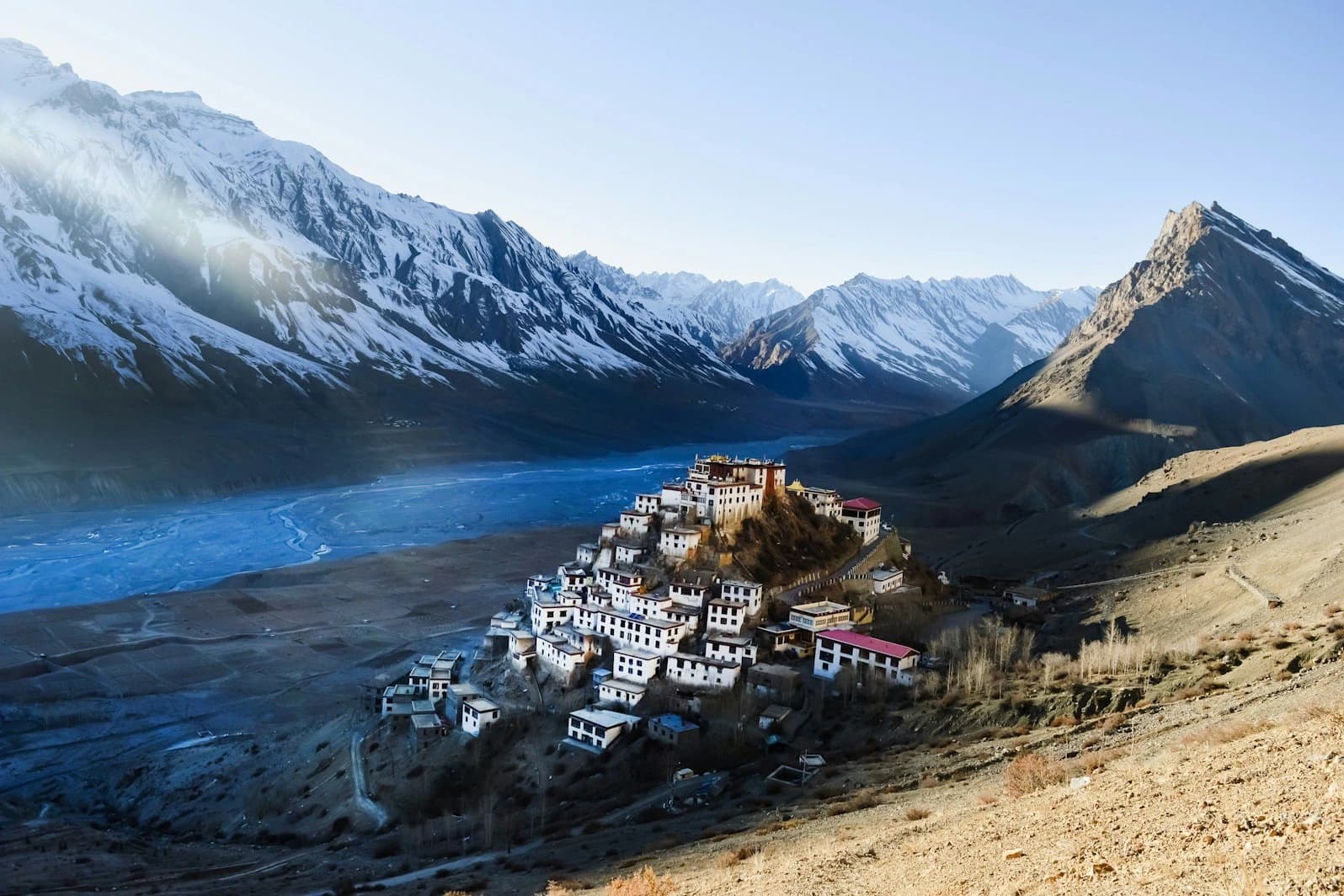
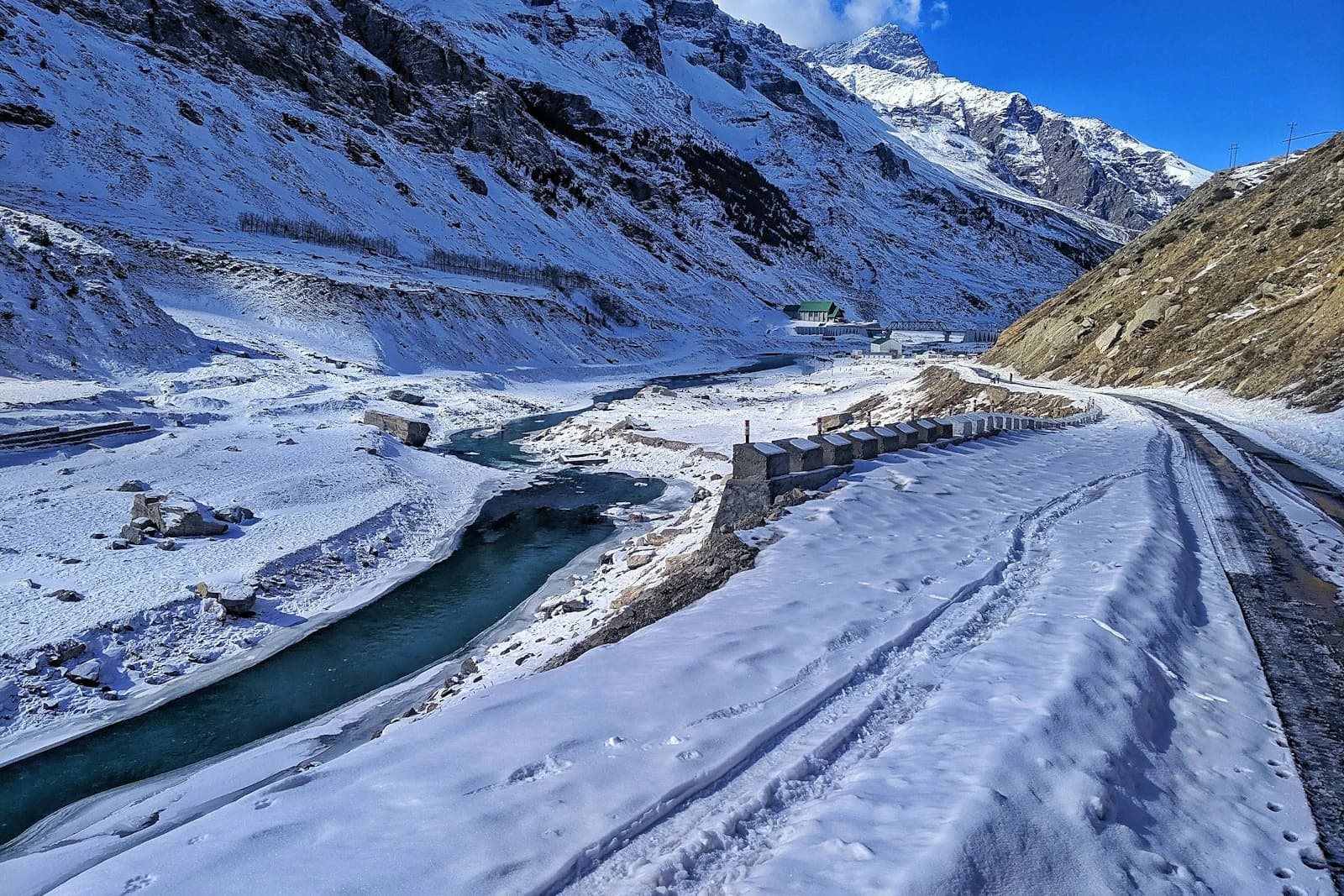
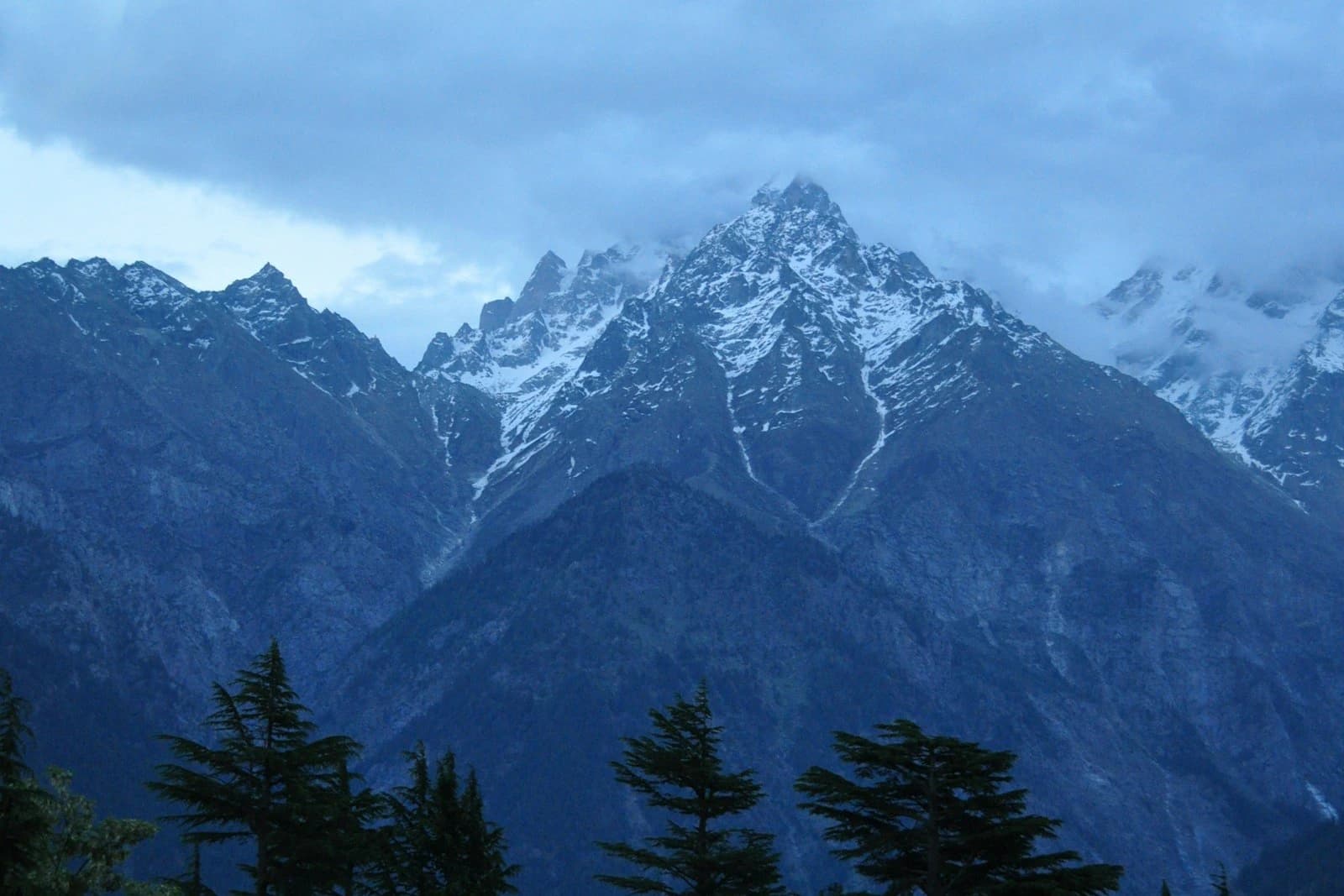
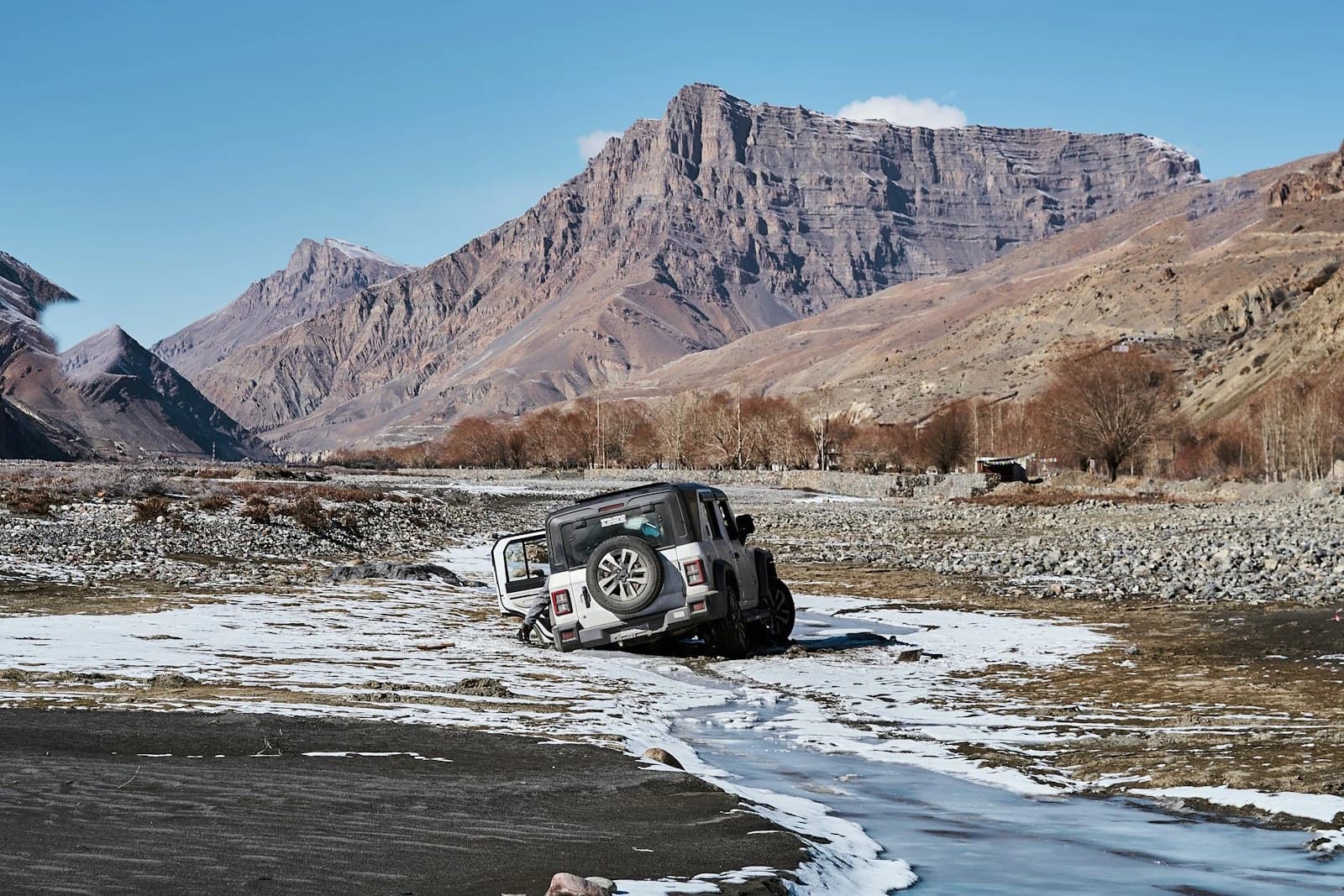
The Winter Spiti Self Drive Expedition is a 9-day guided convoy in which you drive your own 4×4 from Shimla to Kaza and back through Kinnaur, between December and March, when Spiti Valley sits under snow and temperatures fall to -25°C. We provide the lead car, the backup car, the guide, the radios, the stays and the meals. You provide the car and the nerve.
Spiti in winter is a different place from Spiti in summer. The Spiti River freezes …
Price
$677per person
Prices are set in Indian rupees and converted for display, so the figure you pay depends on the rate on the day. Flights are not included. Offhorizon Adventures may revise these prices without notice.
9 days
 Day 1Arrival in ShimlaMore details
 Day 2Shimla to SanglaMore details
 Day 3Sangla to TaboMore details
 Day 4Tabo to Kaza via Pin ValleyMore details
 Day 5Kaza – Hikkim – Komic – Langza – KazaMore details
 Day 6Kaza – Key – Kibber – Chicham – KazaMore details
 Day 7Kaza to KalpaMore details
 Day 8Kalpa to ShimlaMore details
 Day 9Departure from ShimlaMore details
Each is hired for the length of the expedition, 9 days on the shortest departure, and shared between the people in it.
4 seats
$52.00a day
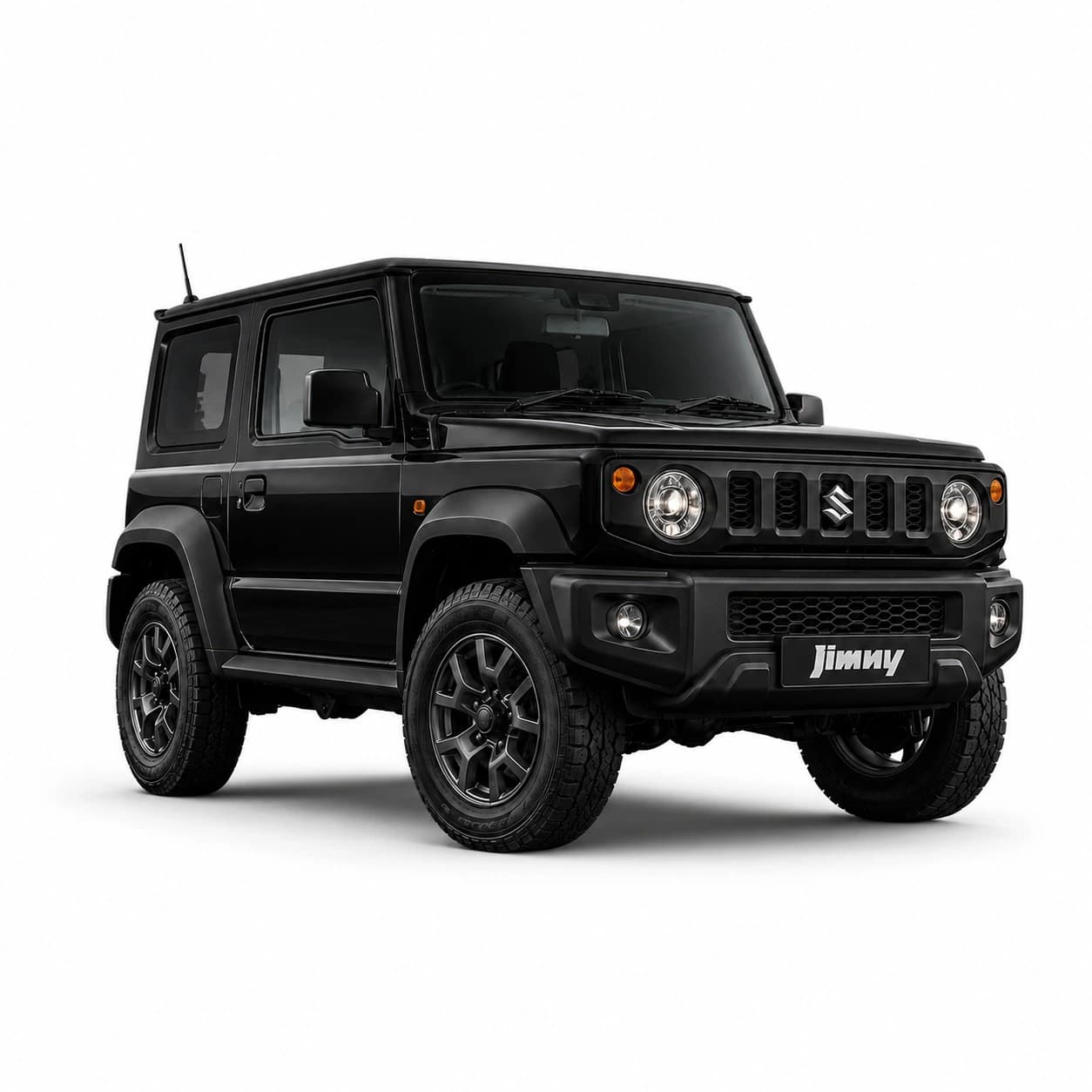
4 seats
$52.00a day
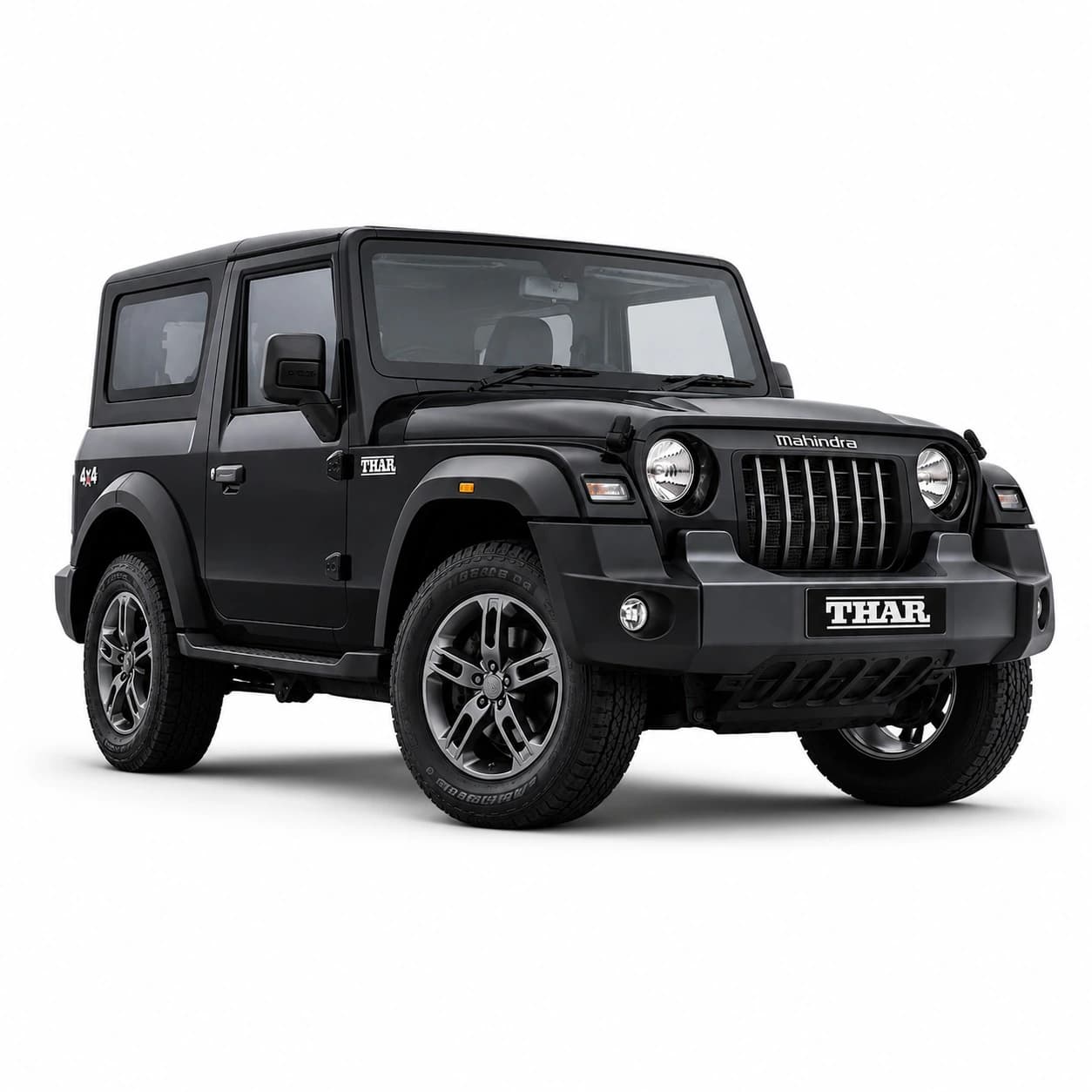
4 seats
$57.00a day
Hotels in Shimla, Sangla and Kalpa; heated homestays and winter guesthouses in Tabo, Kaza and Pin Valley. Double sharing throughout.
Home-cooked Spitian food in the homestays, hotel meals in Kinnaur. Lunch is not included — we stop at dhabas and homestays along the way.
A guide who drives this road every winter and re-plans the day around snow, ice and road status.
No vehicle drives alone. The lead car reads the road and shows the line; the backup car closes the convoy.
Constant contact with the lead car — where the ice is, when to slow, when to stop.
Road, ice, fuel and rally points before the convoy leaves each day.
Spare chains, tow straps and recovery equipment in the support vehicles, fitted for you when needed.
Oxygen supply and a first-aid kit with the convoy, on an itinerary built for slow acclimatisation.
Arranged for foreign nationals for the Reckong Peo – Sumdo stretch.
A local spotter joins us at Kibber and Chicham on Day 6.
The price does not include a car. Budget fuel and tolls for ±1,000 km; fill up at Powari and Kaza.
Optional Jimny or Thar from our fleet at a per-day rate, shared between occupants.
Mandatory, and it must cover altitude above 3,000 m.
Any evacuation, rescue or hospital costs are paid by the traveller or their insurer.
Snowfall, road closures or weather holds can add a night; these are paid on the spot.
Optional add-on. Single rooms are limited in Spiti homestays and must be requested at booking.
Drinks, tips, souvenirs, laundry and anything not listed above.
Flights, trains and transfers to Shimla and onward from Shimla.
Lunch is paid on the spot at dhabas and homestays along the route.
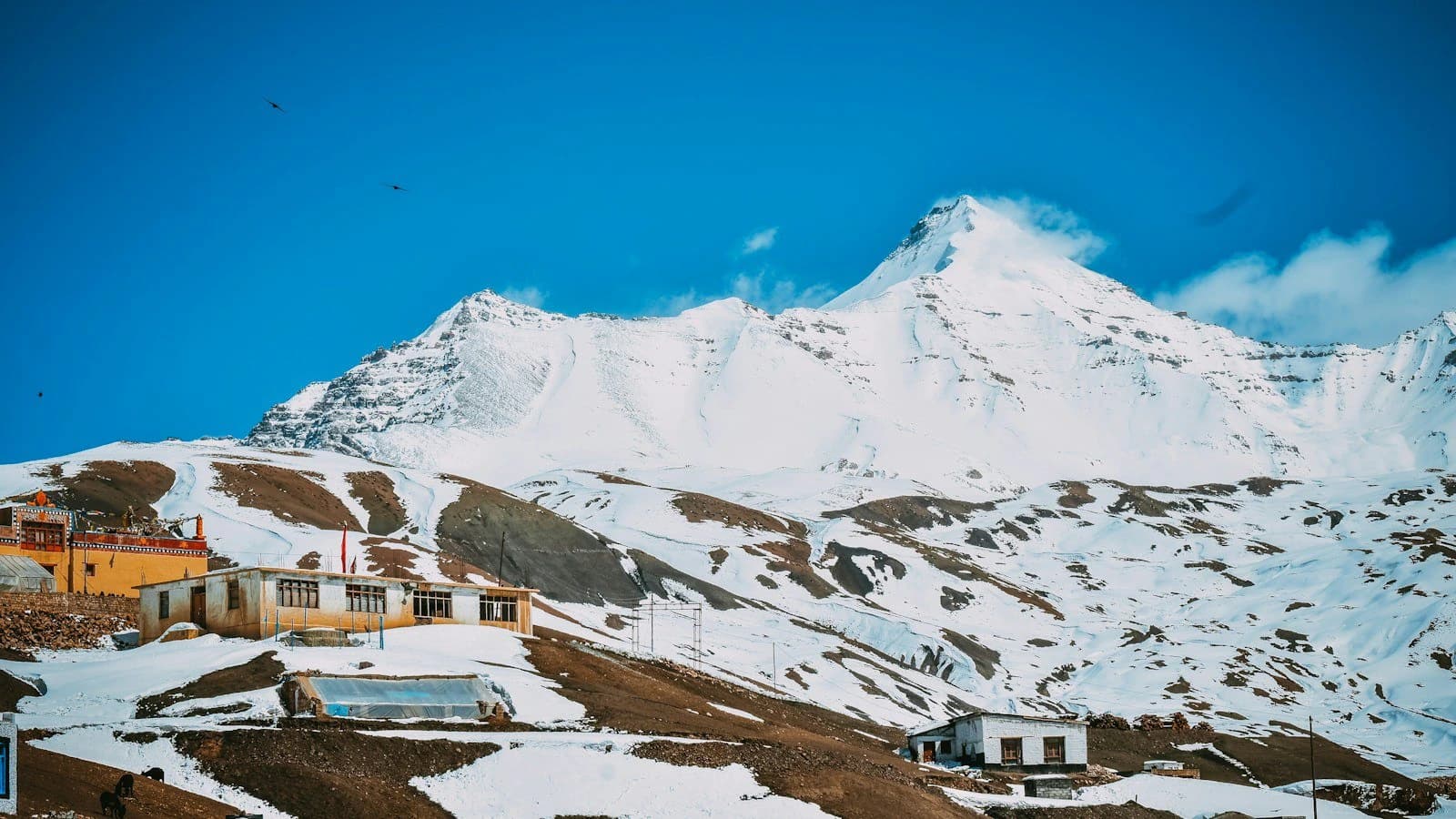

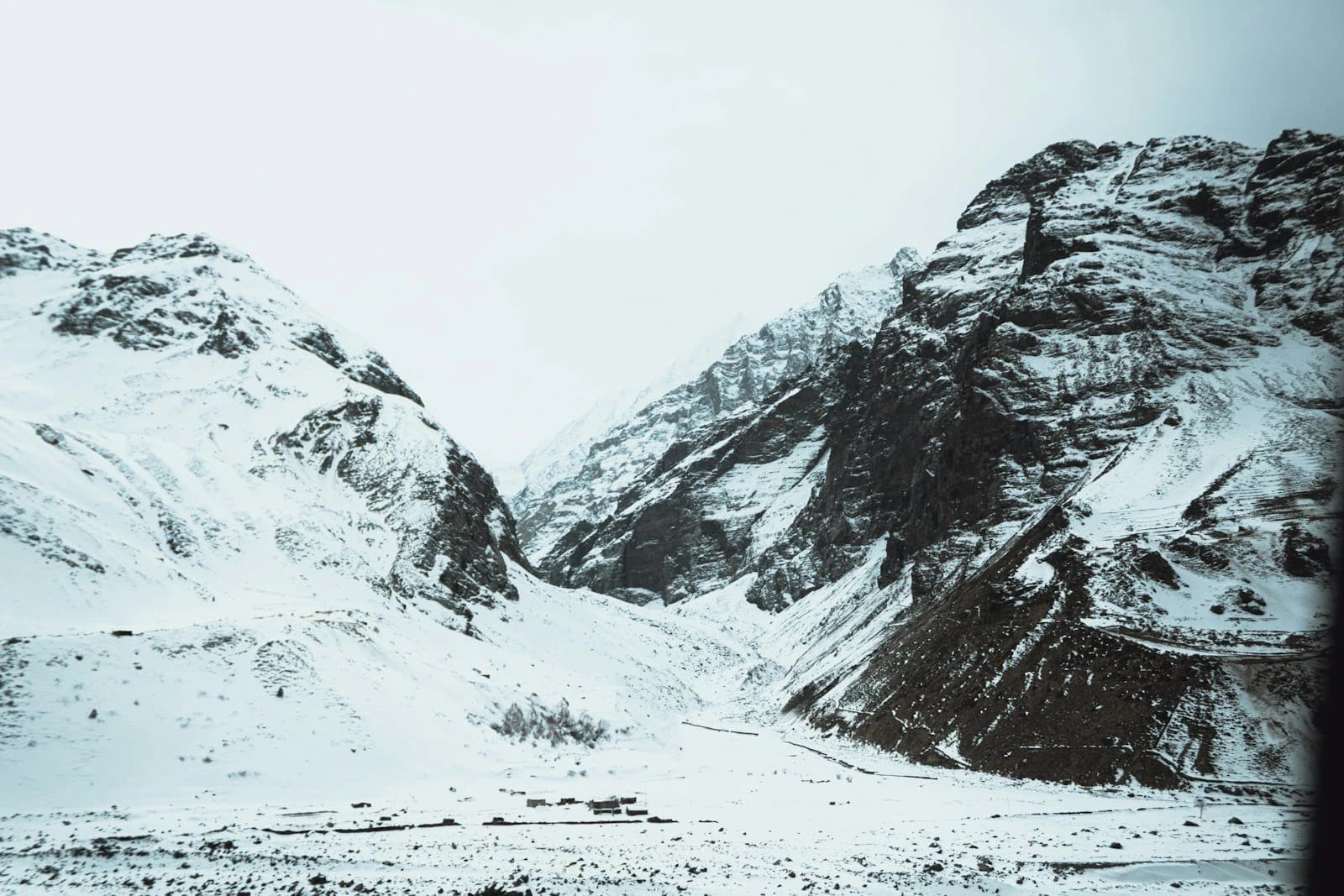
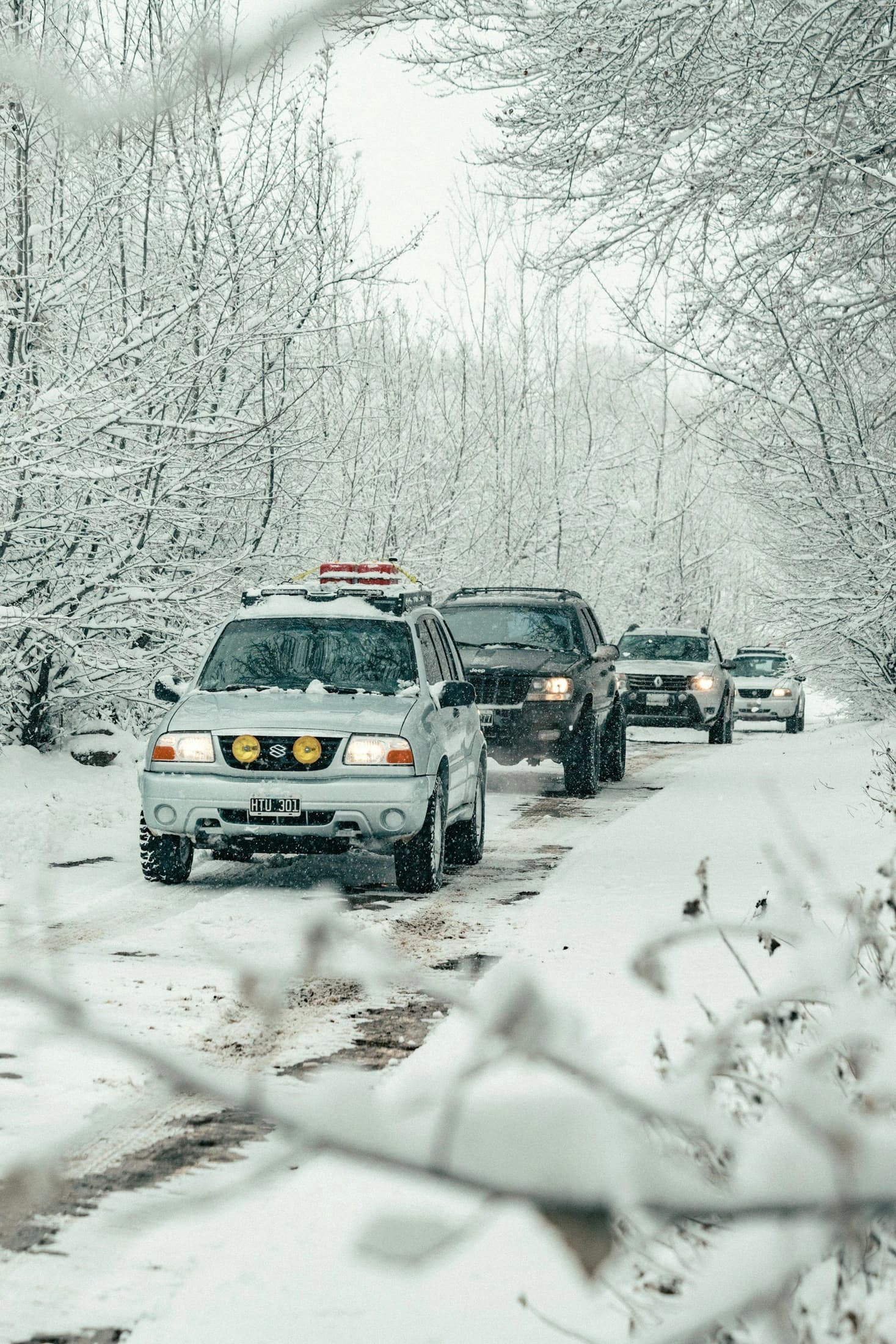
Tarmac through Kinnaur, then packed snow and black ice once you cross into Spiti. The Hindustan-Tibet Road (NH 5) stays open all winter; the high-village roads above Kaza — Hikkim, Komic, Kibber, Chicham — are snow-packed and this is where you learn your car. Shaded bends hide ice, drifts sit on the high loops, and Kinnaur can drop rock. The lead car reads the line, the radio tells you where the ice is, and the backup car carries chains and recovery gear. We never drive after dark.
Your own 4×4 or high-clearance SUV — Thar, Jimny, Fortuner, Scorpio, Gurkha, XUV700 AWD and Endeavour all complete this route every winter. City hatchbacks and sedans are not accepted. Before Day 1 we check coolant mixed for -30°C, battery age, tyre tread, snow chains and cold-weather oil. Diesel cars should use winter diesel or an anti-gel additive. If you do not have a 4×4, hire a winter-prepared Jimny or Thar from our fleet at a daily rate.
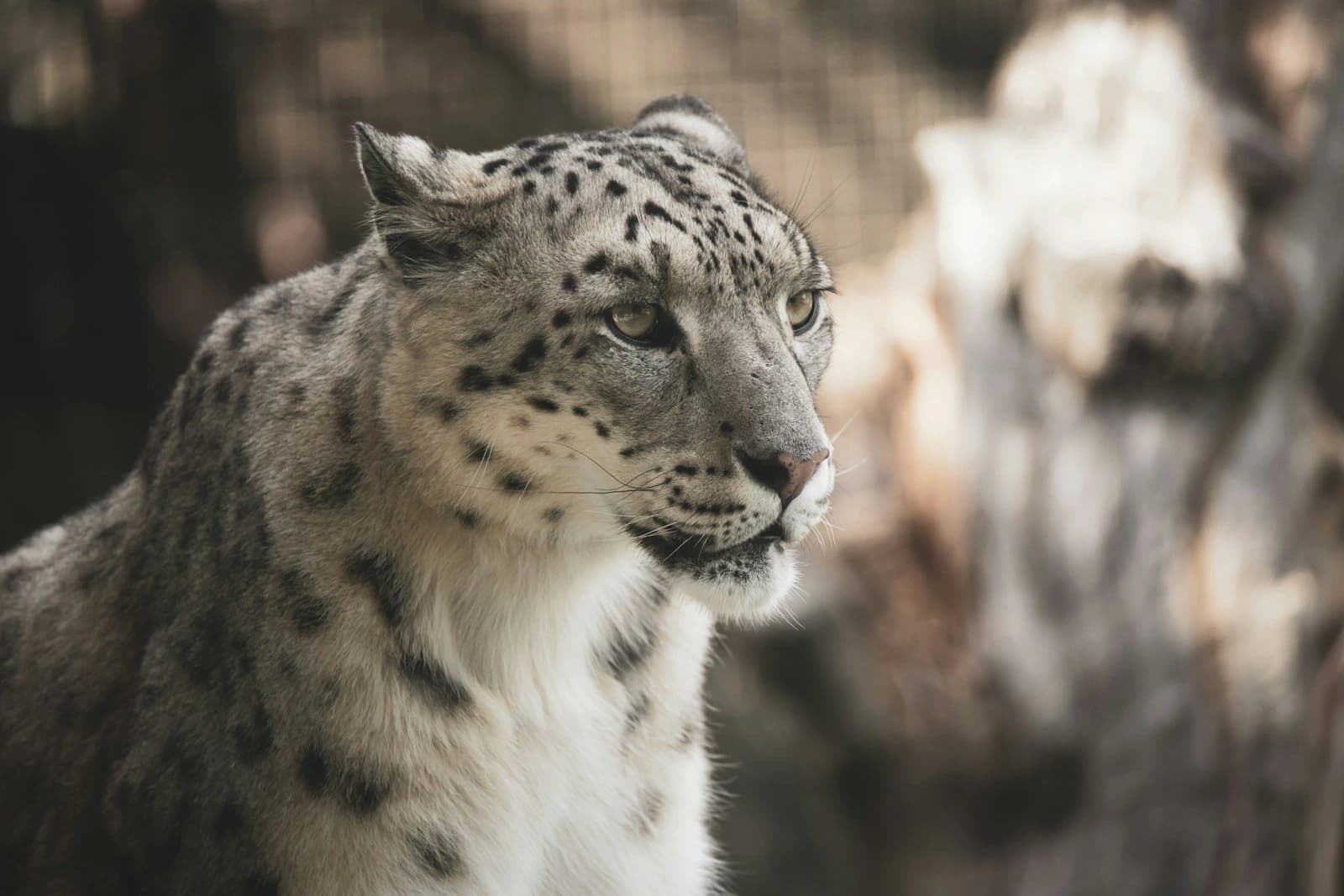
A Buddhist valley living the way it has for a thousand years, with the tourists gone. Tabo's 1,000-year-old monastery, Key Monastery on a white hill, Kungri in Pin Valley. A postcard stamped at Hikkim, the world's highest post office. Real time at Kibber and Chicham with local snow leopard spotters — February and March are peak months, and ibex and blue sheep come down to the villages. Kinner Kailash turning pink at sunrise over Kalpa's frozen orchards.
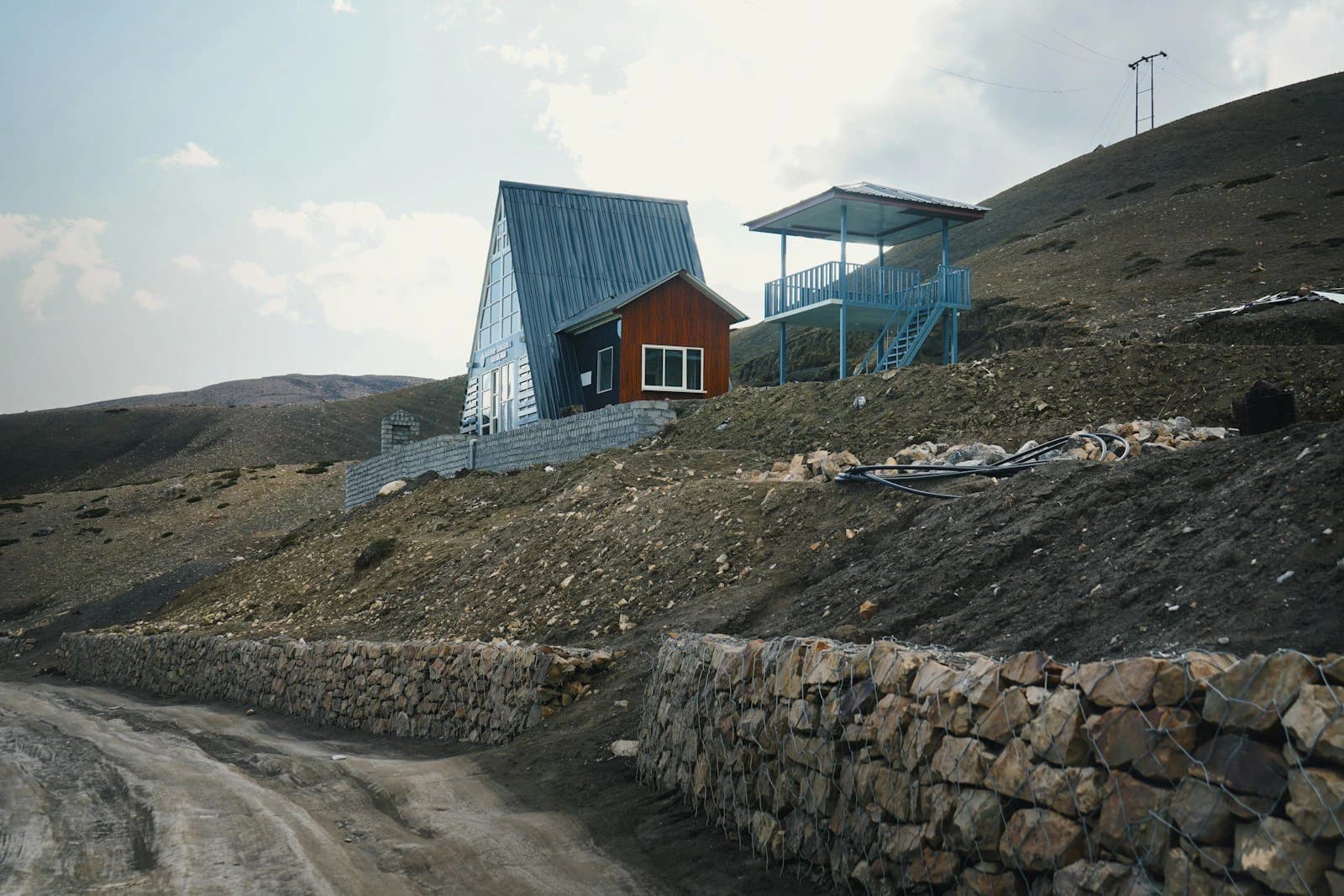
Hotels in Shimla, Sangla and Kalpa. In Spiti most hotels shut for winter, so we stay in heated family homestays and winter guesthouses in Tabo, Pin Valley and Kaza — bukhari stoves, thick quilts and home-cooked Spitian food. Pipes freeze, so expect dry toilets and bucket hot water. Breakfast and dinner every day; lunch is on you at dhabas and homestays along the way. Double sharing throughout; single rooms are limited in Spiti.
Yes. Spiti stays reachable all winter through Kinnaur on NH 5 (Shimla – Reckong Peo – Kaza). The Manali side over Kunzum La and Rohtang closes from about November to May. Short closures of a day or two after heavy snowfall happen, and we build buffer into the plan.
No. ₹65,000 per person covers stays, meals, guide, lead and backup cars, radios, permits, oxygen and the snow leopard spotter. Most drivers bring their own 4×4; a Jimny or Thar can be hired from our fleet at a daily rate.
Yes. A 4×4 or AWD with good ground clearance is mandatory. Packed snow, black ice and drifts on the high-village roads above Kaza are not for a 2WD car. City hatchbacks and sedans are not accepted.
Kaza in January averages -5°C by day and -15°C to -25°C at night. It is the coldest inhabited valley you can drive to in India. Kinnaur is milder, 0°C to 8°C.
With a convoy, yes. The dangers are black ice on shaded bends, snow drifts on the high-village roads, and rock fall in Kinnaur. The lead car reads the road, the radio tells you where the ice is, the backup car carries chains and recovery gear, and we never drive after dark. Most winter incidents involve solo cars without support.
Possibly. Kibber and Chicham, which we visit on Day 6, are India's most reliable snow leopard spotting area, and February–March is peak season as leopards follow blue sheep to lower slopes. We work with local spotters. Sightings are common but never guaranteed.
The Manali–Kaza road over Kunzum La (4,551 m) is closed under snow in winter. Kinnaur is the only open road, so the expedition is a Shimla-to-Shimla loop. It also gives four days of gradual climb before sleeping at Kaza, which is the safest way to acclimatise.
Standard diesel begins to wax below about -10°C, which can stall a car. Use winter diesel where available or an anti-gel additive, keep the tank full, and park facing the morning sun. Petrol cars have no gelling issue.
The last reliable pump before Spiti is Reckong Peo / Powari in Kinnaur; the only pump inside Spiti Valley is at Kaza. There is nothing between Powari and Kaza (±200 km) and nothing beyond Kaza in winter. Fill up at both, every time. A 10–20 litre jerry can is sensible.
Coolant mixed for -30°C, a battery under 3 years old, tyres with 4 mm+ tread (all-terrain preferred), snow chains for the drive wheels, cold-weather engine oil, antifreeze wiper fluid, a scraper, a tow strap and a shovel. We check every car in Shimla on Day 1.
Yes, for at least the driving wheels. We carry spare chains and fit them for you on the day they are needed, but every car should arrive with its own set.
Hotels in Shimla, Sangla and Kalpa. In Spiti (Tabo, Pin Valley, Kaza) we use heated family homestays and winter guesthouses because most hotels close. Expect bukhari heaters, dry toilets and bucket hot water.
December has the least snow and easiest roads. January is the coldest and the most dramatic. February–March is best for snow leopards and the Losar-season festivals, with deeper snow on the roads. All four work; pick by what you want.
Patchy. Kaza has BSNL and Jio (postpaid works best in tribal districts); the high villages and much of Kinnaur beyond Peo have little or none. Radios keep the convoy connected. Tell family to expect quiet days.
If you have solid everyday driving experience and stay calm, yes. You do not need off-road skills; you need to follow the lead car and the radio. First-time off-roaders complete this route every winter.
We wait. Snowfall closures on the Kinnaur road usually clear within 24–48 hours. The itinerary has buffer, and the guide re-plans daily. Extra nights caused by weather are not included in the price.
Indian nationals need no permit on this route. Foreign nationals need an Inner Line Permit for the Reckong Peo – Sumdo stretch, which we arrange after booking. Foreign drivers also need an International Driving Permit.
Ask about a date on the list, or tell us when you can travel and we will see what fits.
Riders share their journeys on Google, TripAdvisor and Trustpilot. Read what they say about the routes, the landscapes and the crew who kept them moving.
To everyone who has ridden with us: thank you. Your stories are the reason we keep planning the next one.
Best seller